
The treatment discussion begins with the likely pain generator.
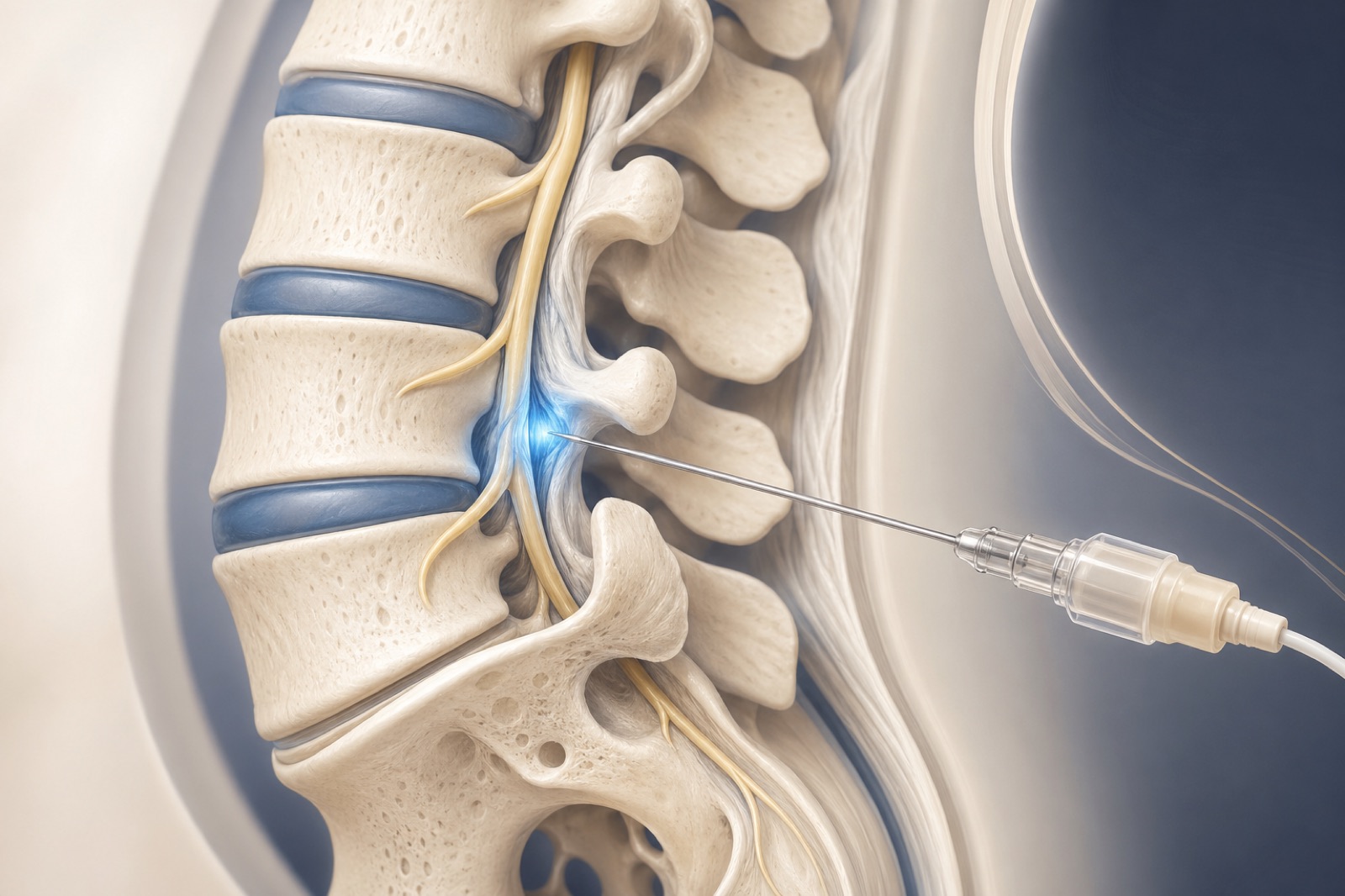
Treatments
Pain procedures explained with calm, clinical clarity.
Explore the procedures and supportive options Gulf Coast Pain & Spine may discuss after a diagnosis-first evaluation. Each guide explains what the treatment targets, why it may help selected patients, how it is typically done, and what questions to ask before moving forward.
Decision making
The right procedure only after the right question.
A treatment plan should connect the pain pattern, exam, imaging, and prior treatment response. Patients deserve to know why a procedure is being considered, what it is intended to clarify or improve, and how it fits into the broader plan.
Some procedures are diagnostic, some therapeutic, and some do both; screening helps ensure interventional pain care is appropriate.
Patients leave with a clearer understanding of what happens before and after treatment.
Featured advanced options
Common and advanced procedures, with visual explanations.
These guides use simplified medical illustrations and plain language so patients can understand the target, the process, and why patient selection matters.
Spine injections
Epidural Steroid Injections
Medication placed near irritated spinal nerves may help selected patients when symptoms, imaging, and exam fit.
Learn how it works →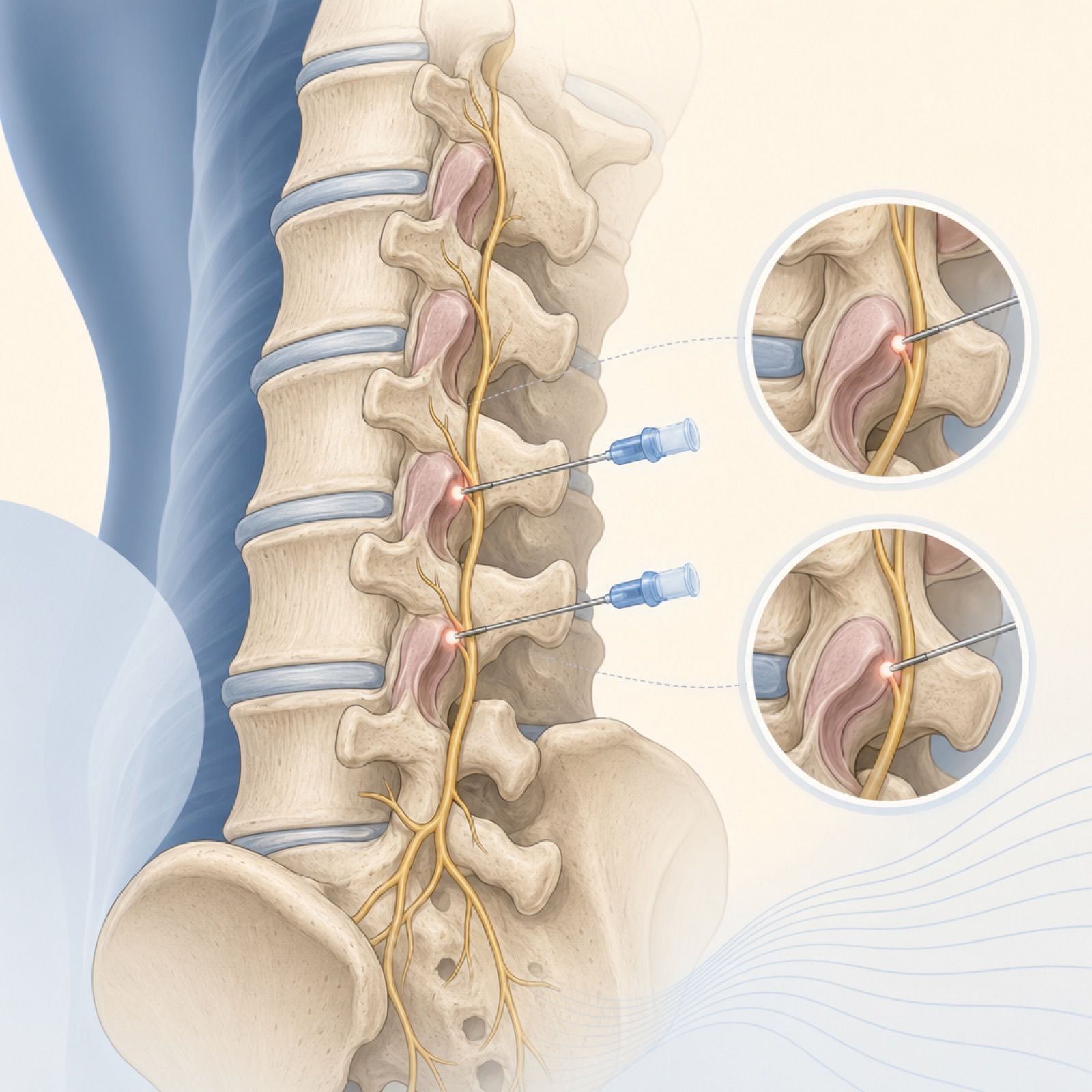
Facet and joint procedures
Medial Branch Blocks
Medial branch blocks help test whether facet-joint nerves are carrying a meaningful pain signal.
Learn how it works →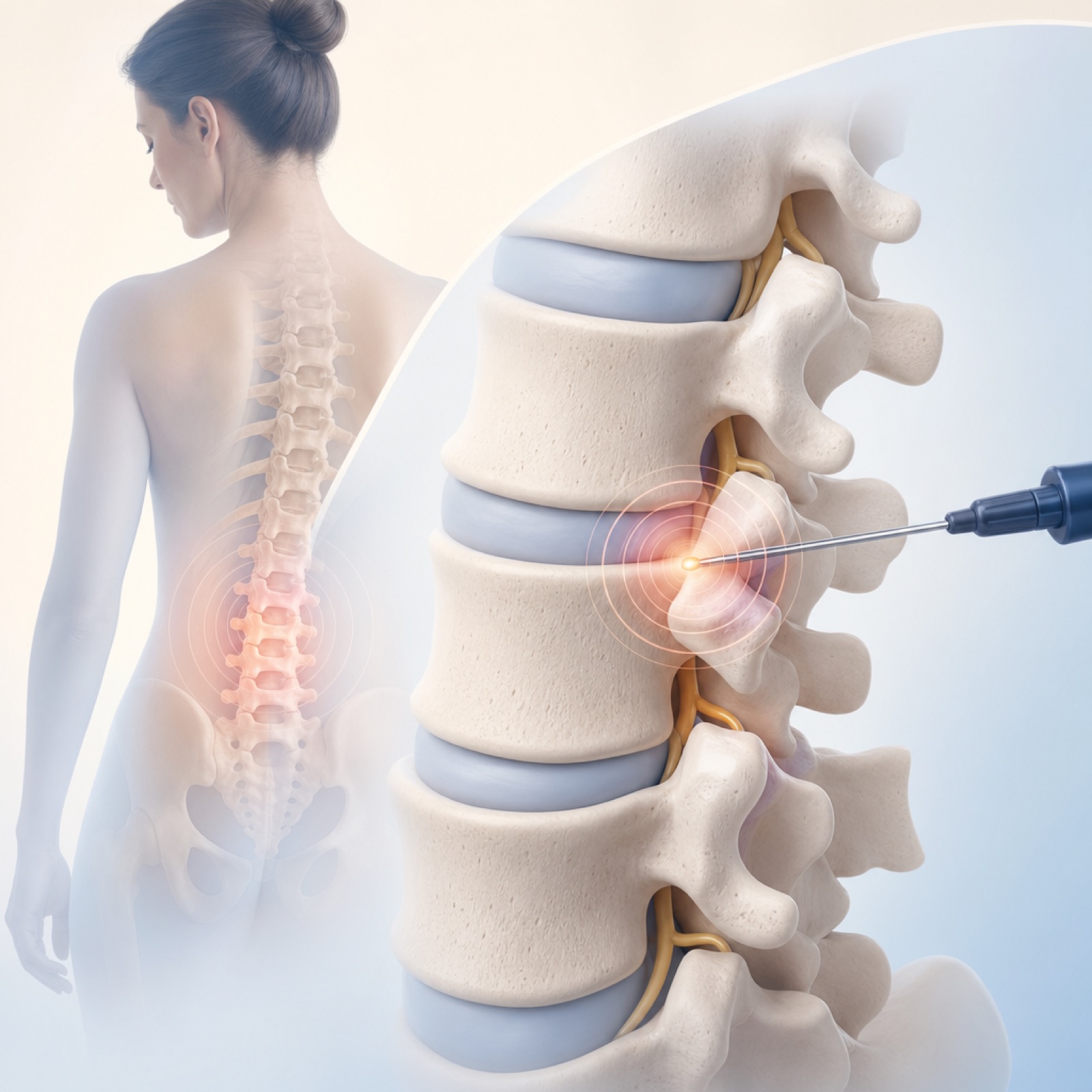
Facet and nerve procedures
Radiofrequency Ablation
Radiofrequency ablation uses controlled heat to quiet selected pain-carrying nerves, usually after diagnostic blocks support the target.
Learn how it works →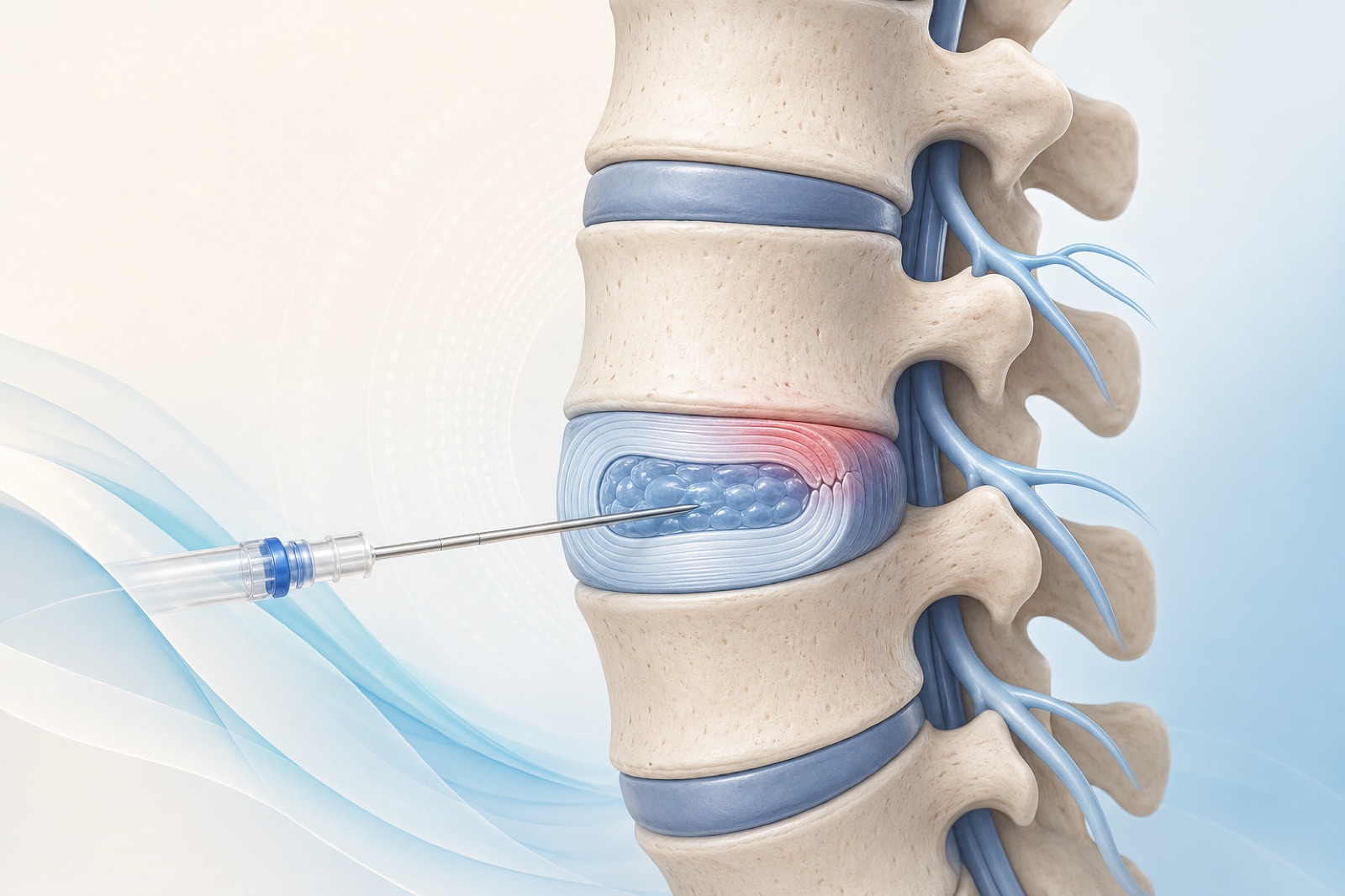
Disc procedures
VIA Disc Procedure
VIA Disc may be discussed for selected discogenic low-back pain patterns after careful screening.
Learn how it works →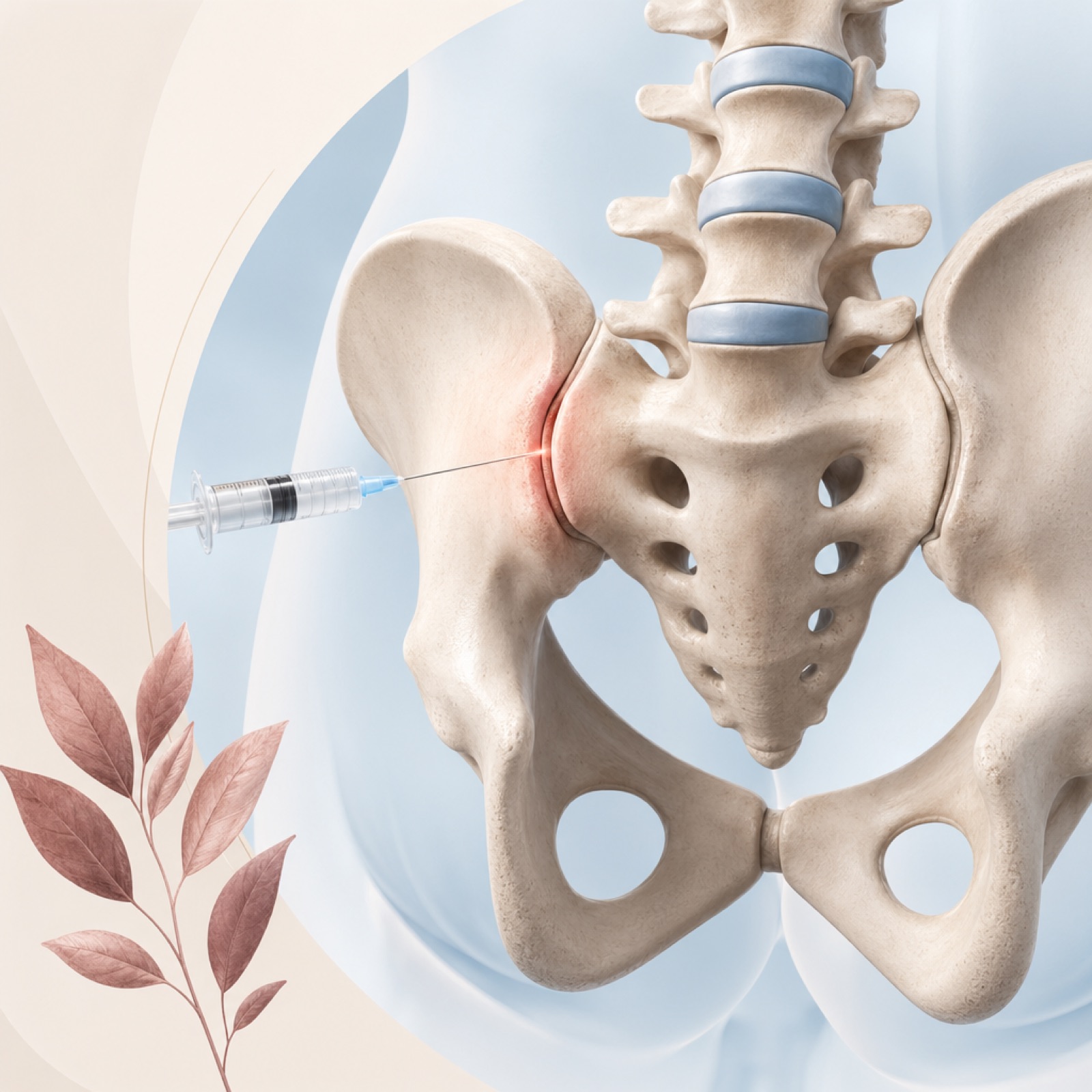
SI joint care
Sacroiliac Joint Injections
SI joint injections may help confirm or calm pain from the sacroiliac joint in selected patients.
Learn how it works →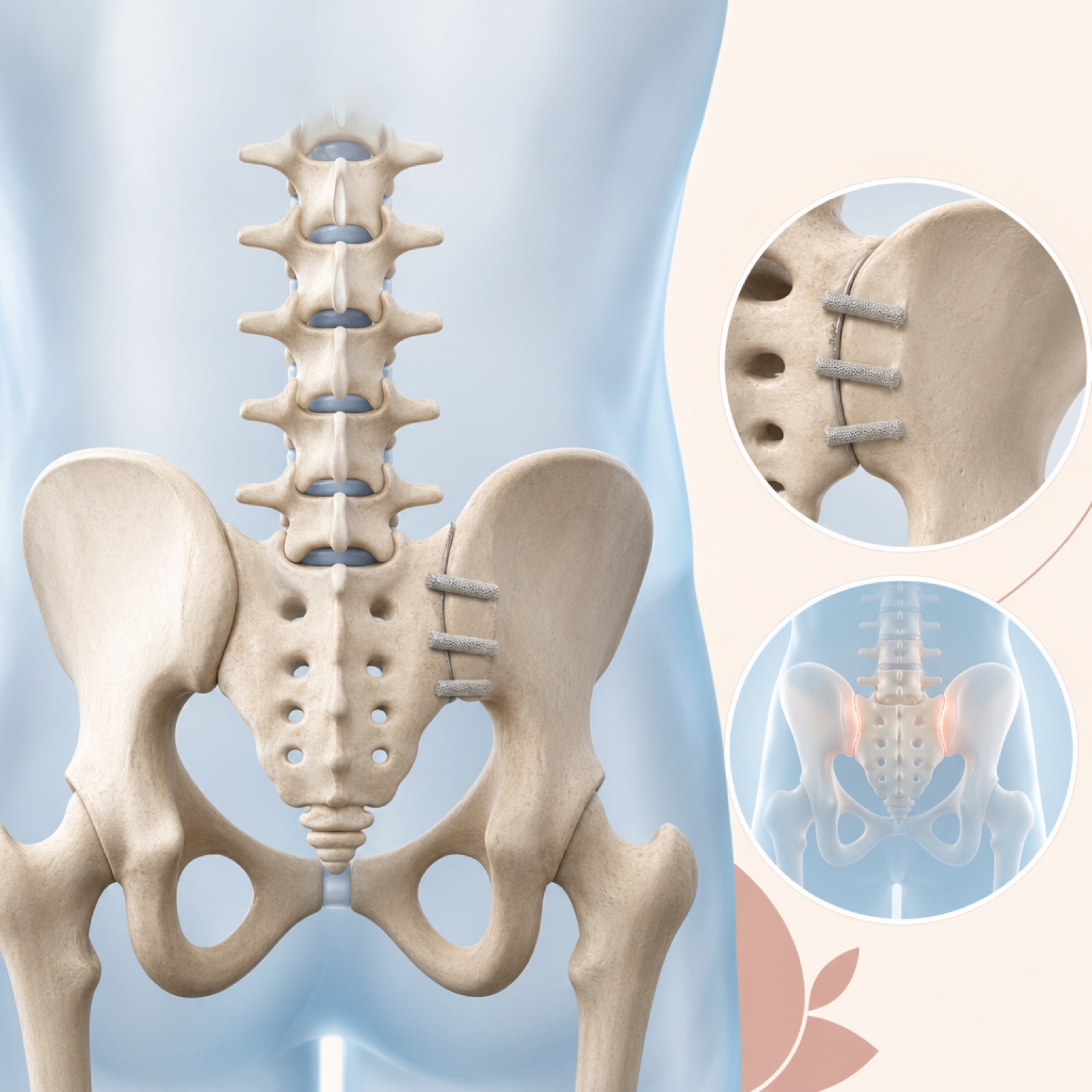
SI joint care
SI Fusion
SI fusion is an advanced conversation for carefully selected patients with confirmed sacroiliac joint pain.
Learn how it works →
Soft tissue injections
Trigger Point Injections
Trigger point injections may be considered for selected tender muscle bands within a broader care plan.
Learn how it works →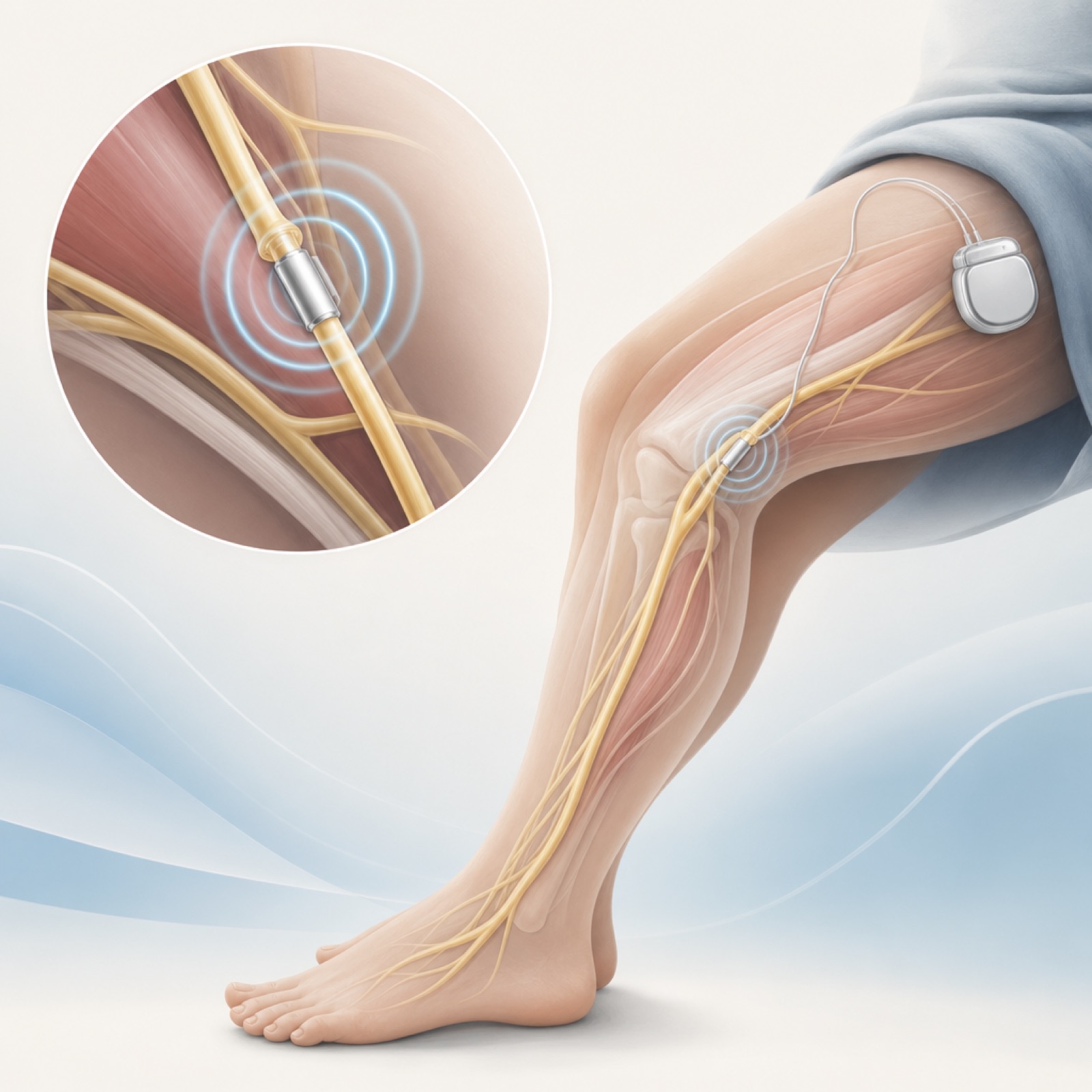
Neuromodulation
Peripheral Nerve Stimulation
Peripheral nerve stimulation uses a small device to modulate pain signaling near a targeted peripheral nerve.
Learn how it works →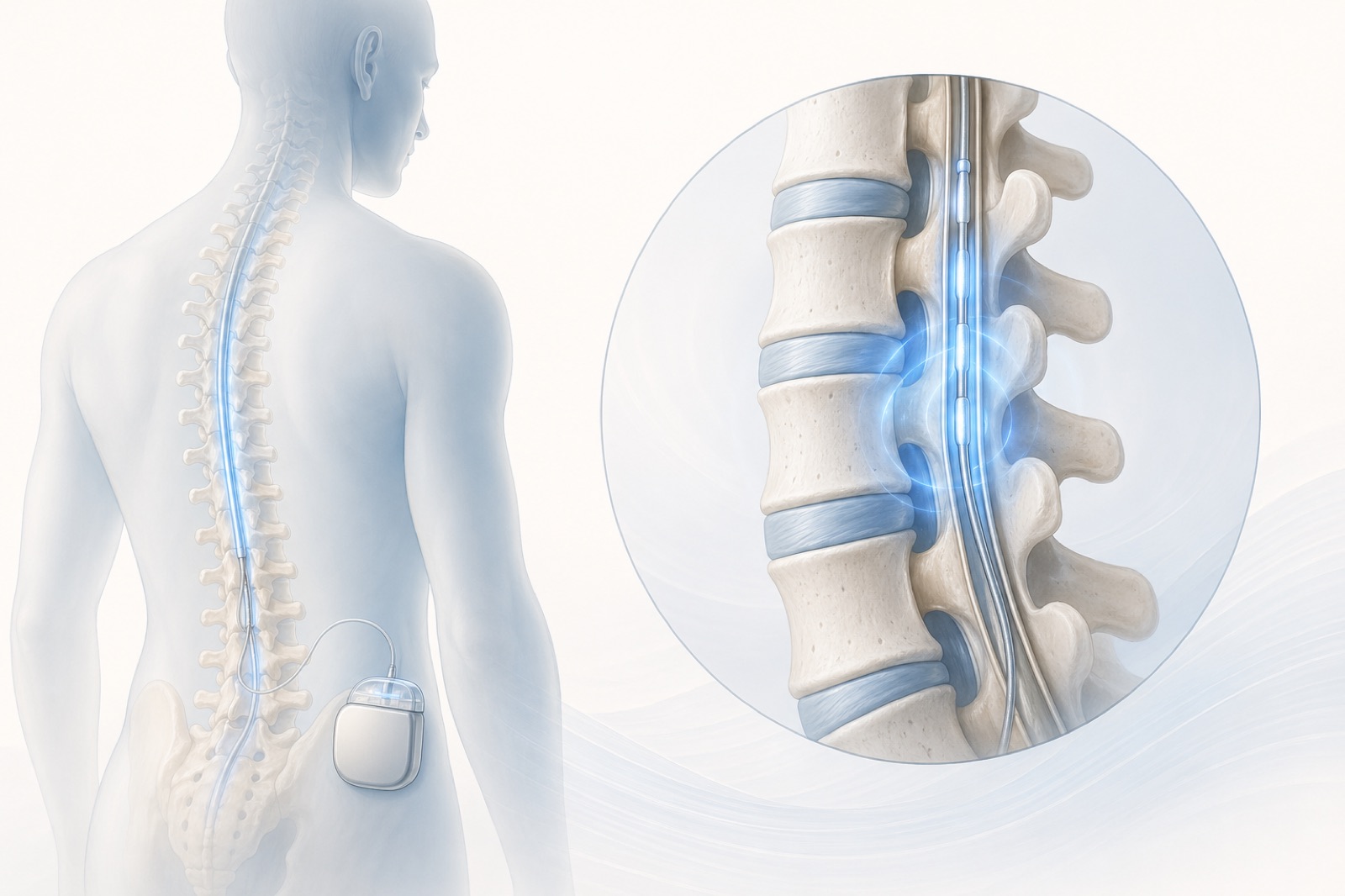
Neuromodulation
Spinal Cord Stimulator Implants
Spinal cord stimulation uses a trial-first approach to evaluate whether electrical modulation may help selected chronic nerve-pain patterns.
Learn how it works →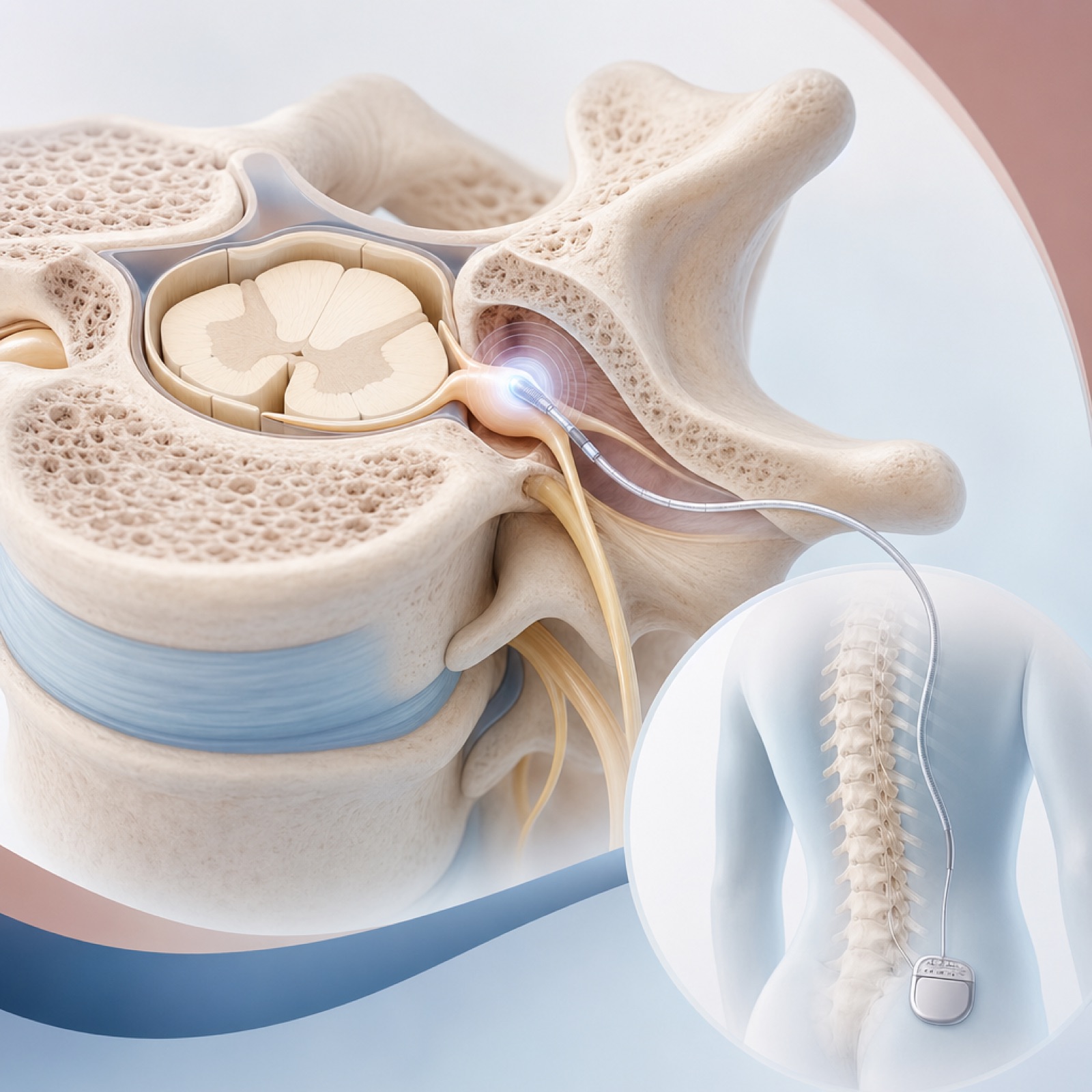
Neuromodulation
Dorsal Root Ganglion Stimulation
DRG stimulation targets specific nerve-root ganglia and may be discussed for selected focal nerve-pain patterns.
Learn how it works →Complete treatment guide library
Browse every procedure and care option.
Choose a treatment to learn what it targets, why it may help selected patients, how it is typically done, and what to expect before and after the visit. Each card includes or links to a simple patient-education visual.
Spine injections
Spine injections
Spine injections are used when symptoms, exam findings, and imaging suggest inflammation or irritation around a specific spinal structure or nerve pathway.
Spine injections
Epidural Steroid Injections
Medication placed near irritated spinal nerves may help selected patients when symptoms, imaging, and exam fit.
Learn how it works →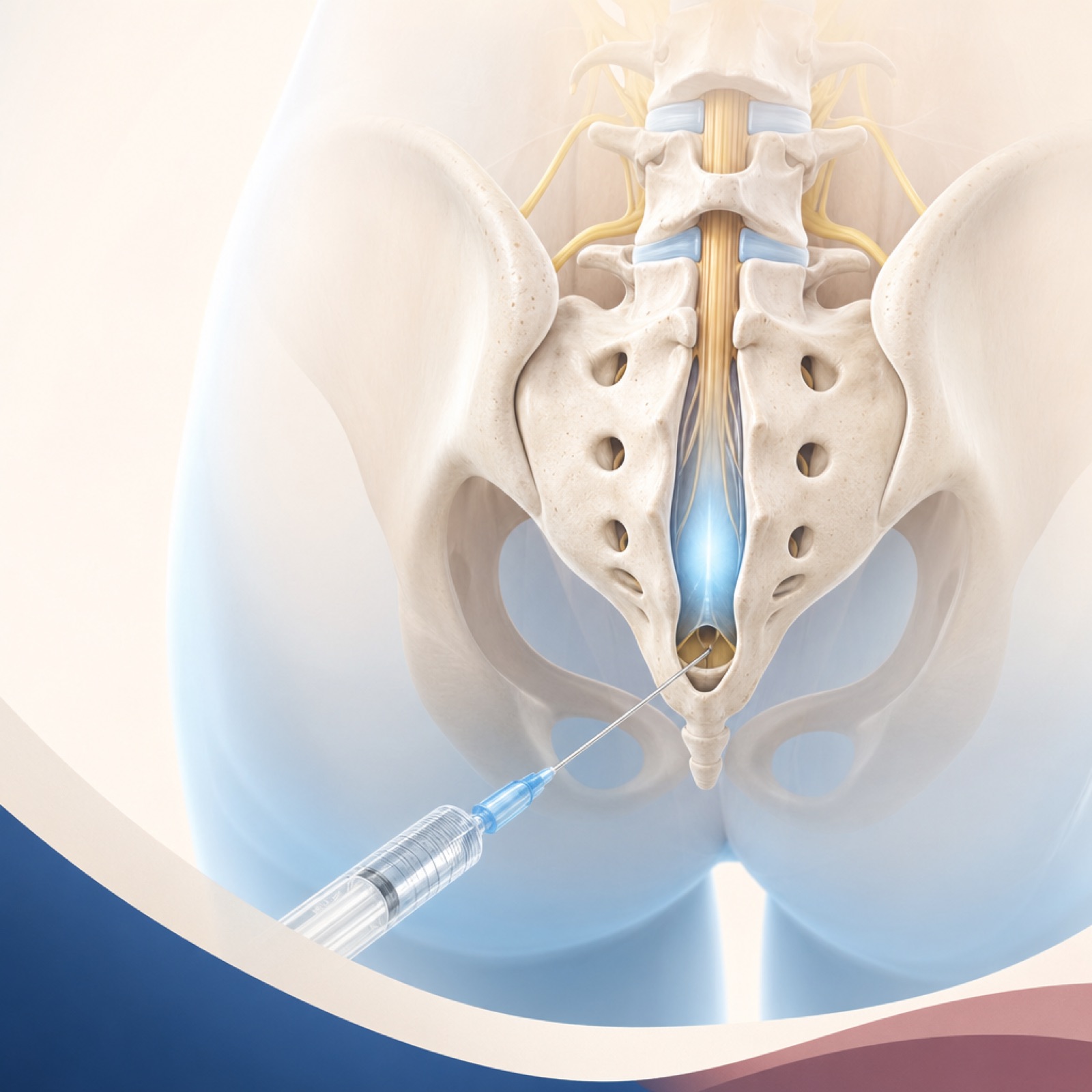
Spine injections
Caudal Steroid Injection
A caudal approach may be considered when medication needs to reach the lower epidural space through the sacral opening.
Learn how it works →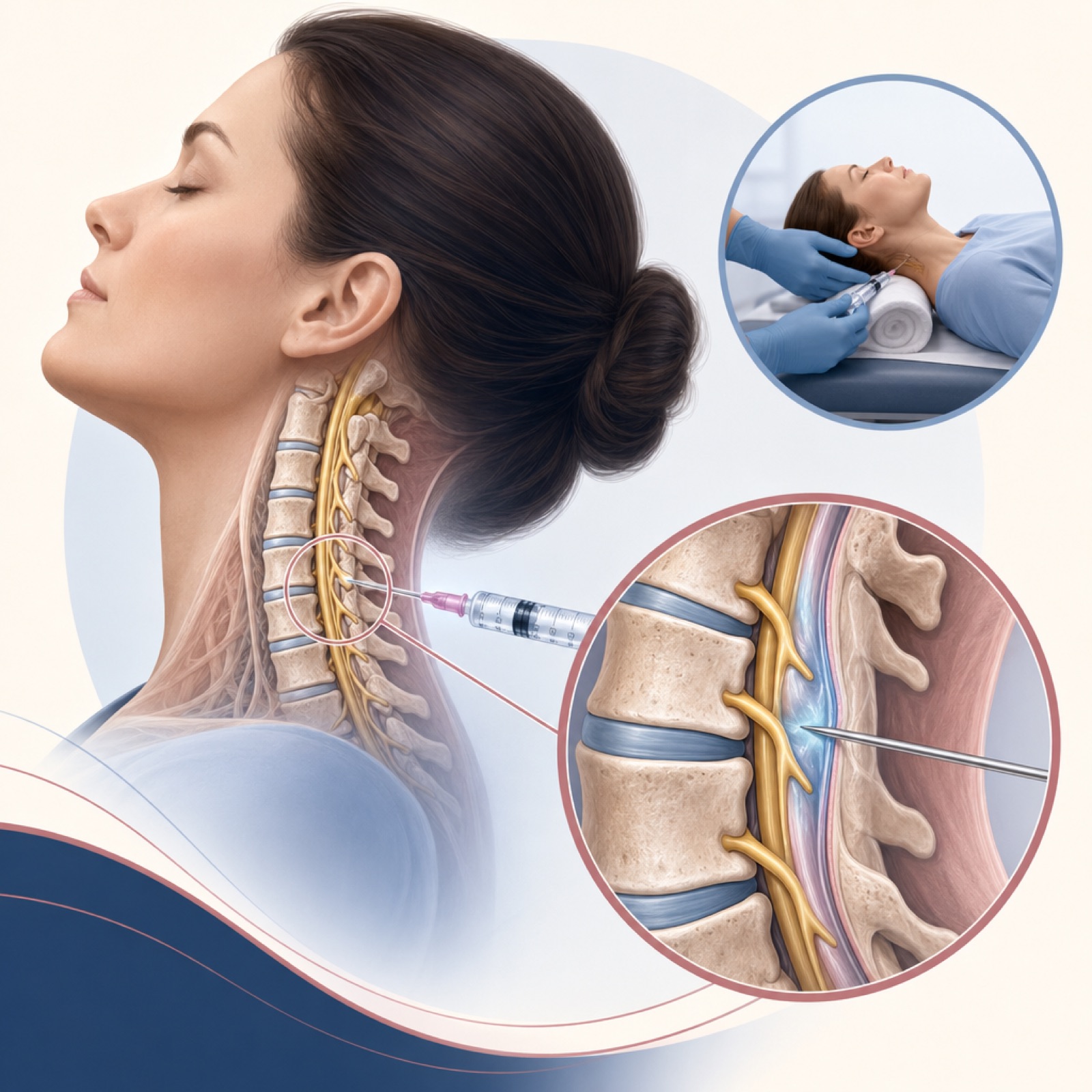
Spine injections
Cervical Epidural Steroid Injection
A cervical epidural injection may be discussed for selected neck and arm nerve-irritation patterns.
Learn how it works →Facet and joint procedures
Facet and joint procedures
Facet and joint procedures focus on small spine joints or larger joints that may be driving pain, stiffness, or referred symptoms.
Facet and joint procedures
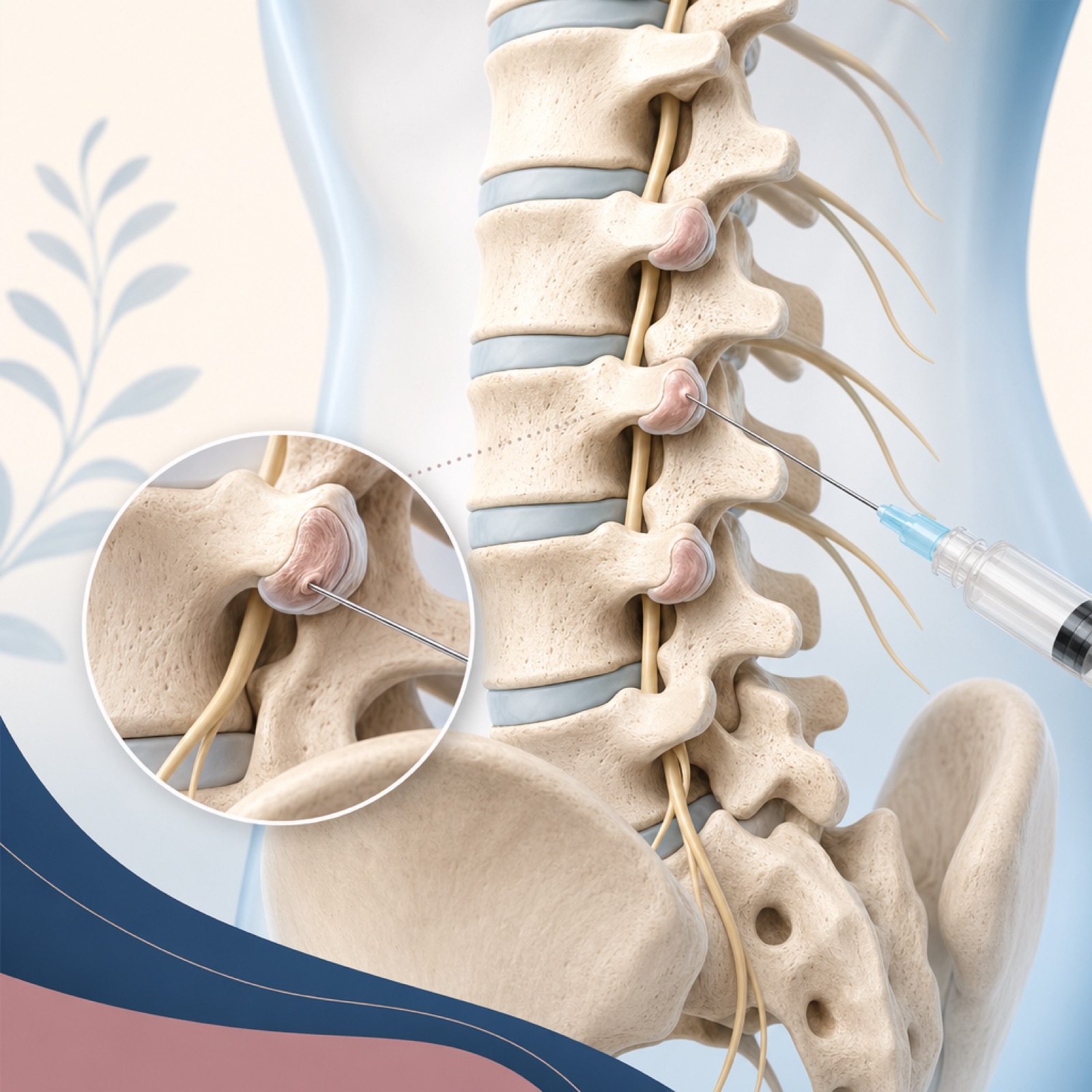
Facet Joint Injections
Facet injections may be used when exam and imaging suggest the small spine joints may be contributing to pain.
Learn how it works →Facet and joint procedures
Medial Branch Blocks
Medial branch blocks help test whether facet-joint nerves are carrying a meaningful pain signal.
Learn how it works →Facet and nerve procedures
Facet and nerve procedures
These procedures target pain-carrying sensory nerves only after diagnostic steps suggest the target is meaningful.
Disc procedures
Disc procedures
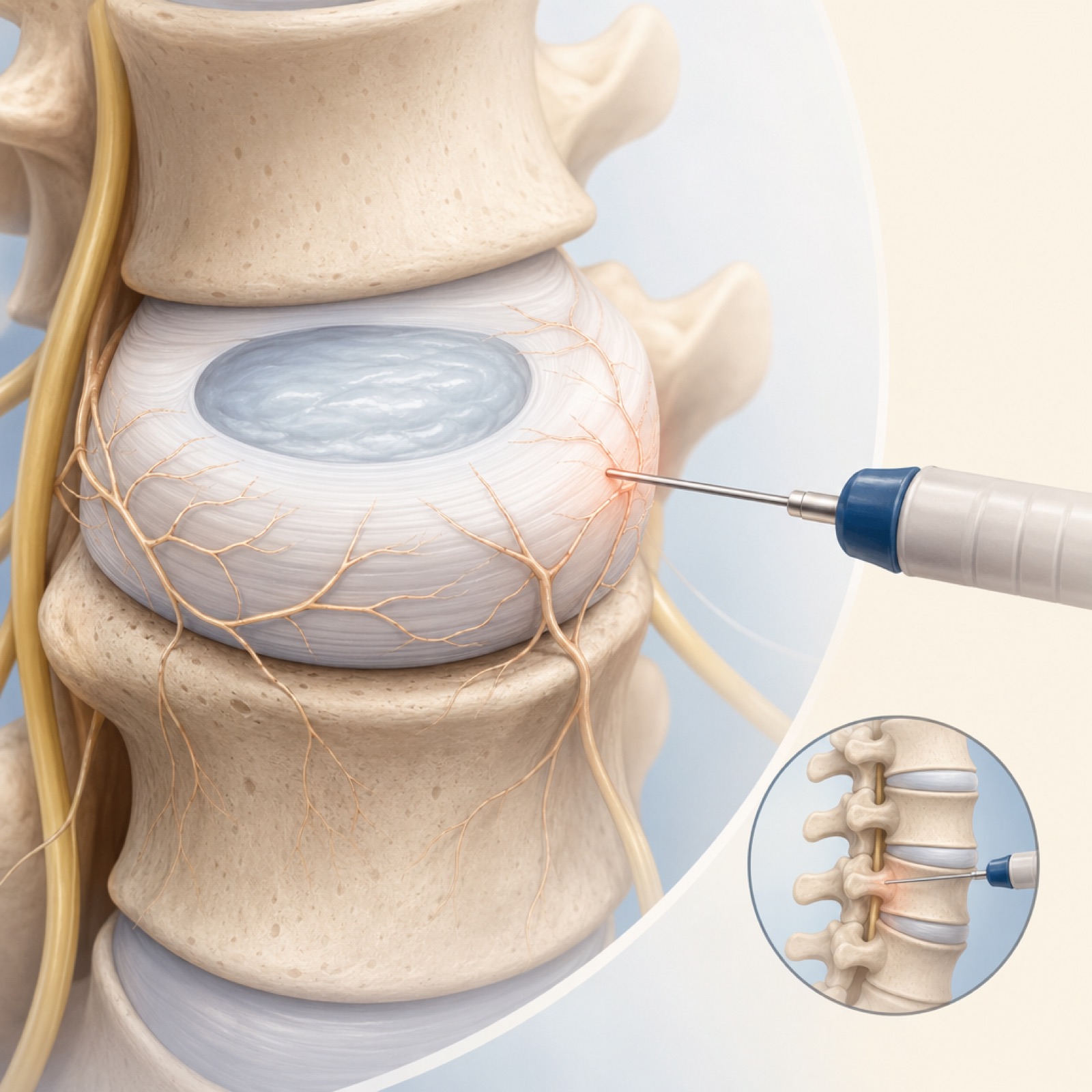
Disc-focused procedures are reserved for selected patients whose symptoms and imaging suggest the disc itself may be part of the pain generator.
Disc procedures
Disc Denervation
Disc denervation is discussed only for carefully selected disc-related pain patterns after diagnostic evaluation.
Learn how it works →Disc procedures
VIA Disc Procedure
VIA Disc may be discussed for selected discogenic low-back pain patterns after careful screening.
Learn how it works →SI joint care
SI joint care
SI joint care starts by confirming whether the sacroiliac joint is truly involved before discussing injection or stabilization options.
SI joint care
Sacroiliac Joint Injections
SI joint injections may help confirm or calm pain from the sacroiliac joint in selected patients.
Learn how it works →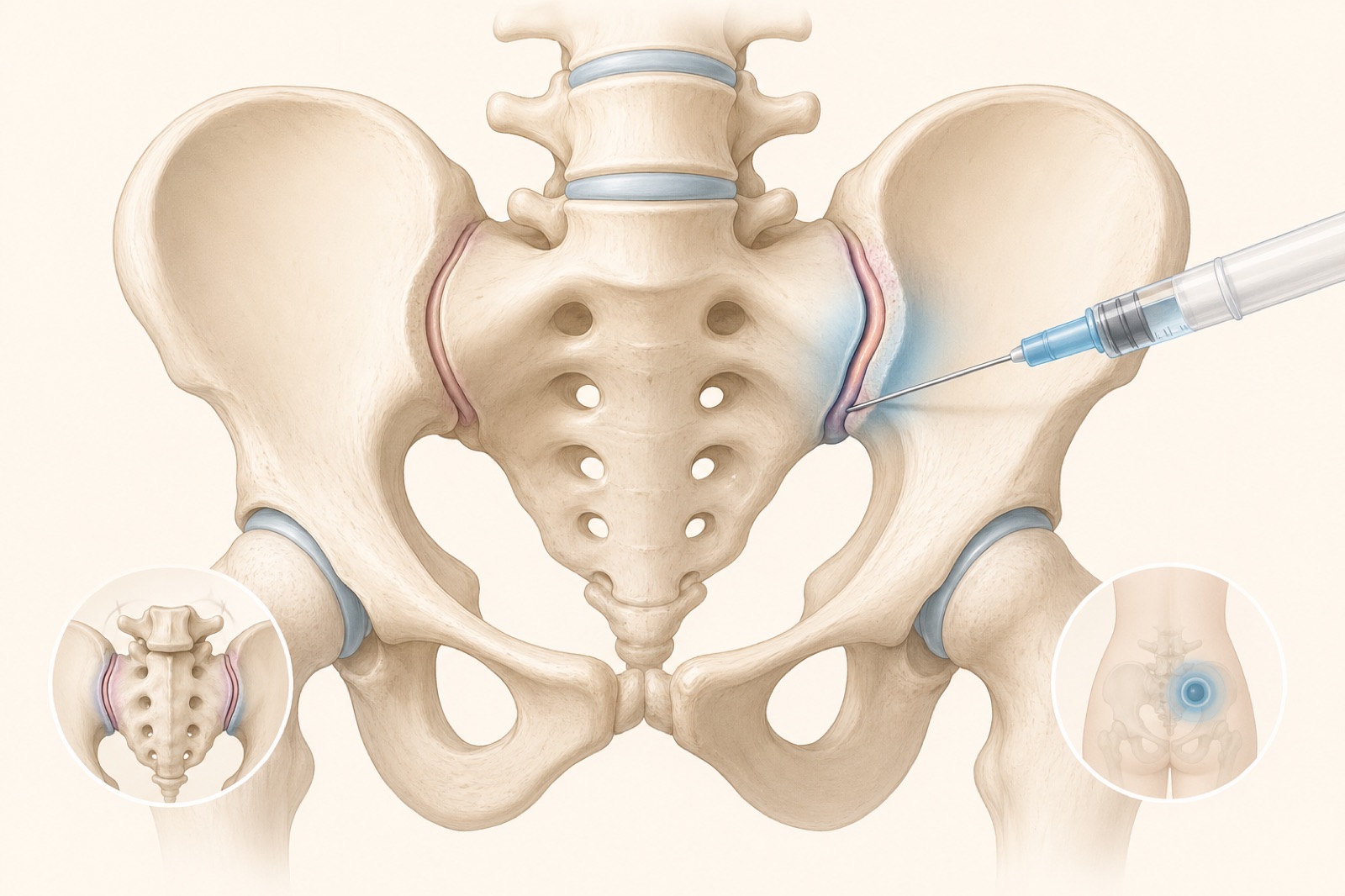
SI joint care
SI Joint Injections
Alternate page retained for existing links; see the sacroiliac joint injections guide.
Learn how it works →SI joint care
SI Fusion
SI fusion is an advanced conversation for carefully selected patients with confirmed sacroiliac joint pain.
Learn how it works →Soft tissue injections
Soft tissue injections
Soft-tissue injections can help selected muscle-related pain patterns when used alongside movement, posture, and rehabilitation planning.
Joint injections
Joint injections
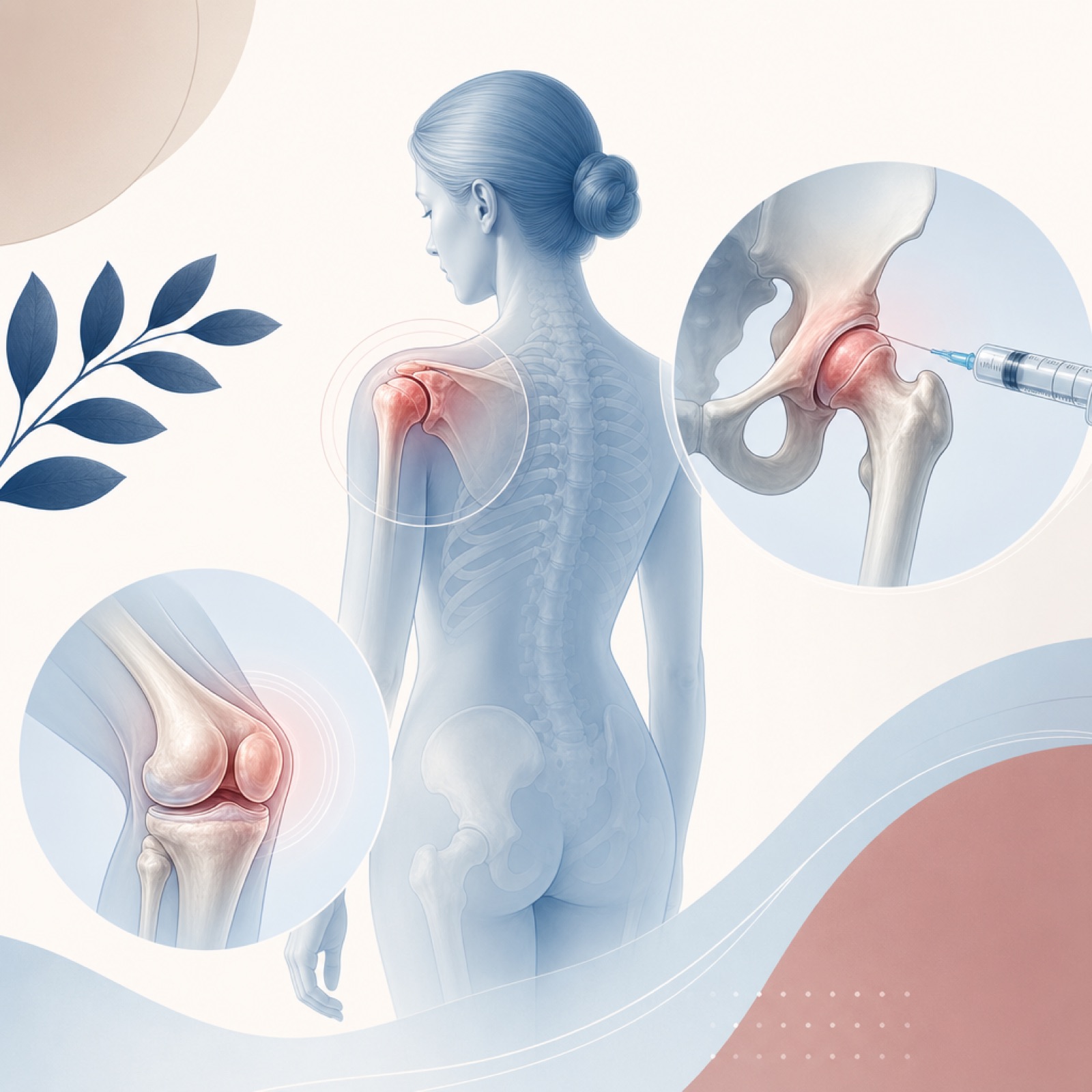
Joint injections are considered when evaluation suggests a specific joint or peri-joint structure is contributing to symptoms.
Joint injections
Joint Injections
Joint injections may be diagnostic or therapeutic when a specific joint is suspected to be a pain source.
Learn how it works →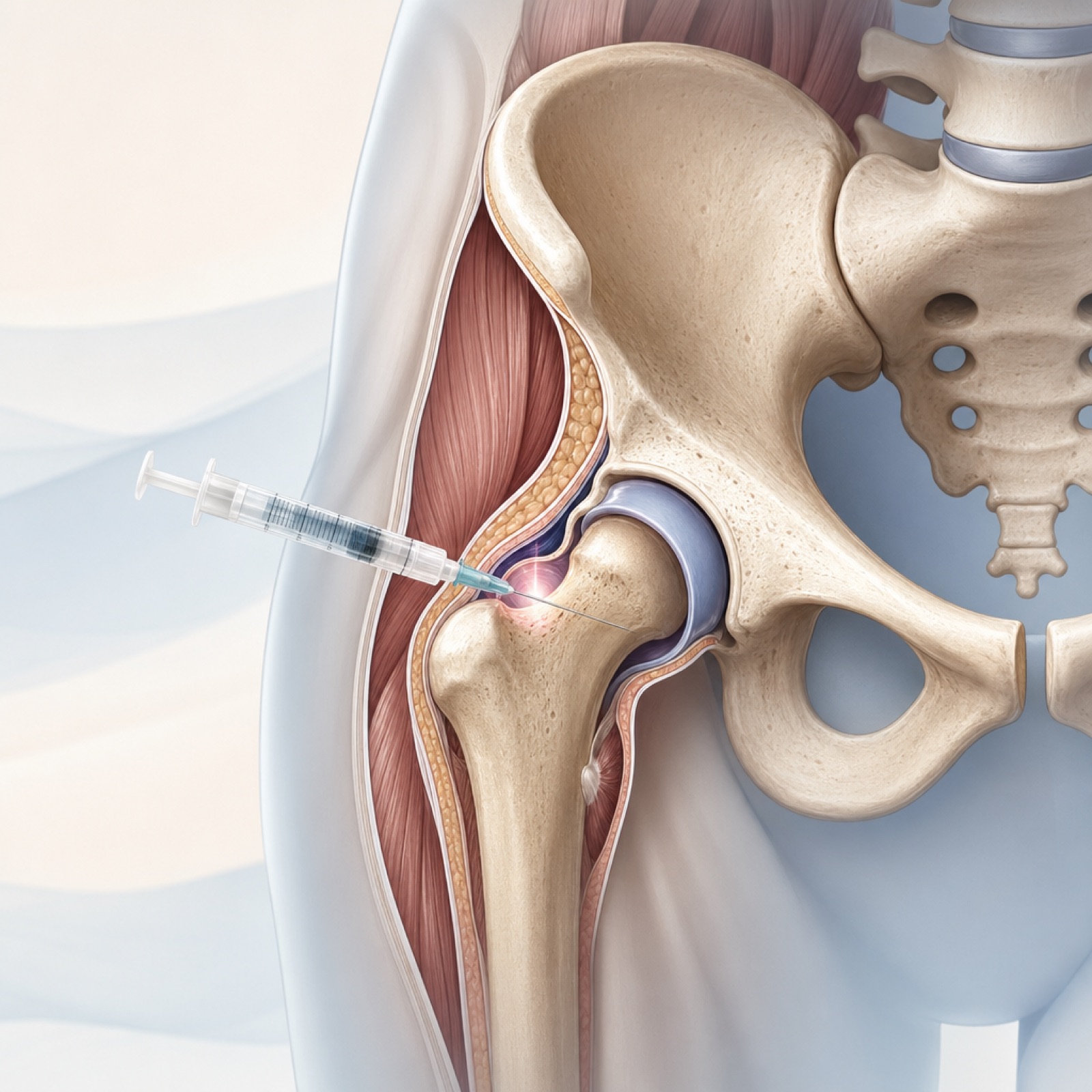
Joint injections
Hip Injections
Hip injections may be considered for selected hip-joint or peri-hip pain patterns after diagnosis-first evaluation.
Learn how it works →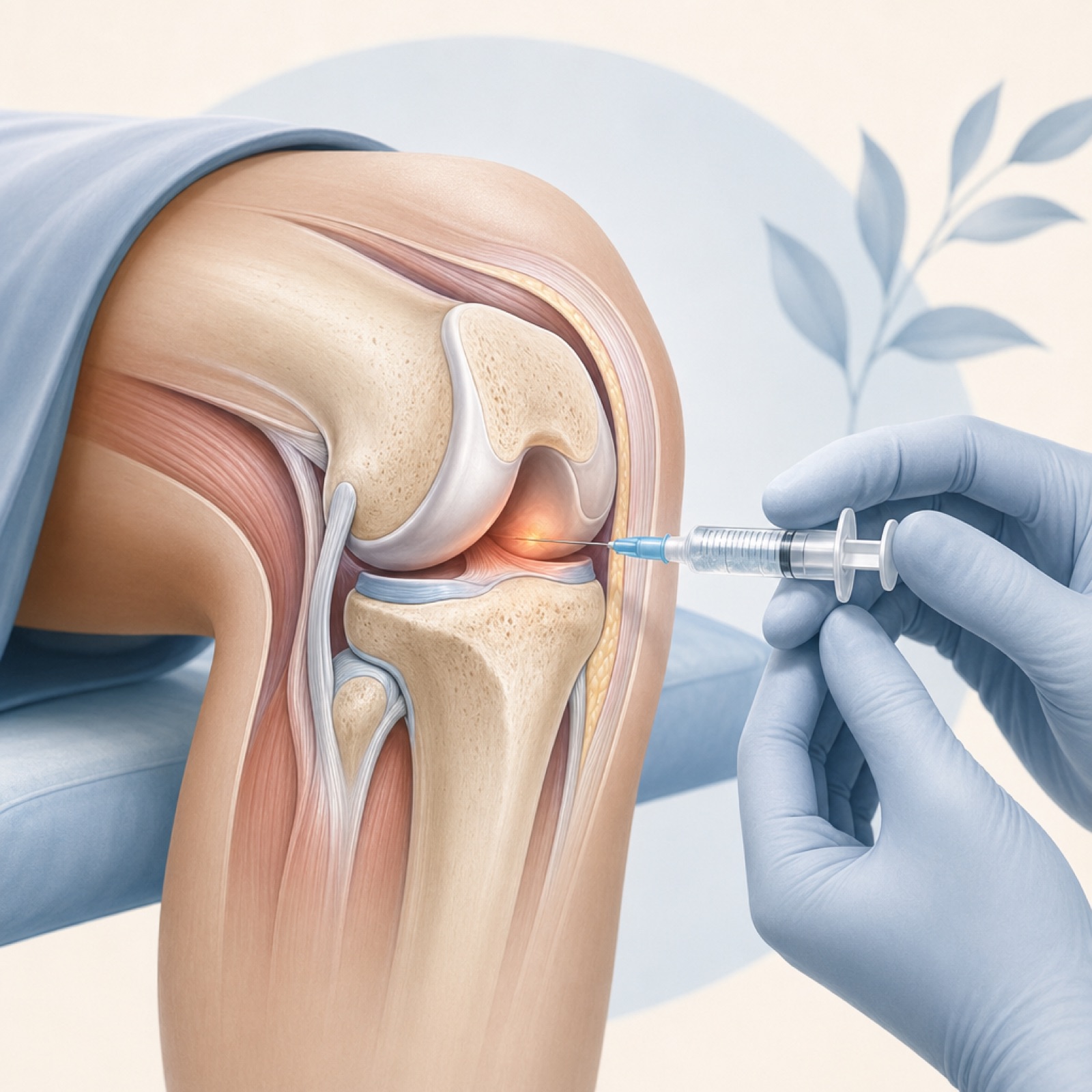
Joint injections
Knee Joint Injections
Knee injections may be discussed when exam and imaging suggest joint inflammation or arthritis-related pain.
Learn how it works →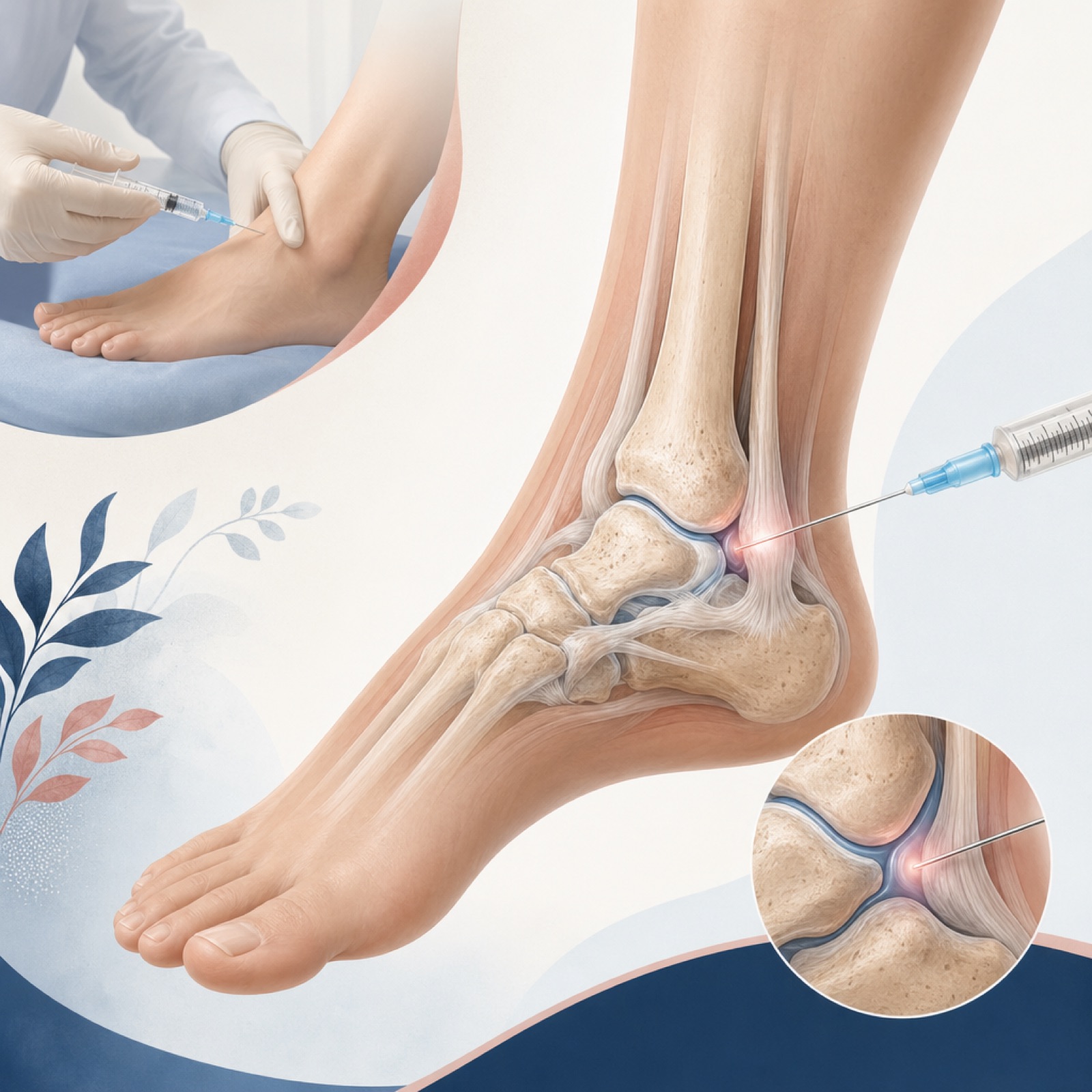
Joint injections
Ankle Injections
Ankle injections may be considered for selected ankle-joint pain patterns when evaluation supports the joint as a source.
Learn how it works →Knee nerve procedures
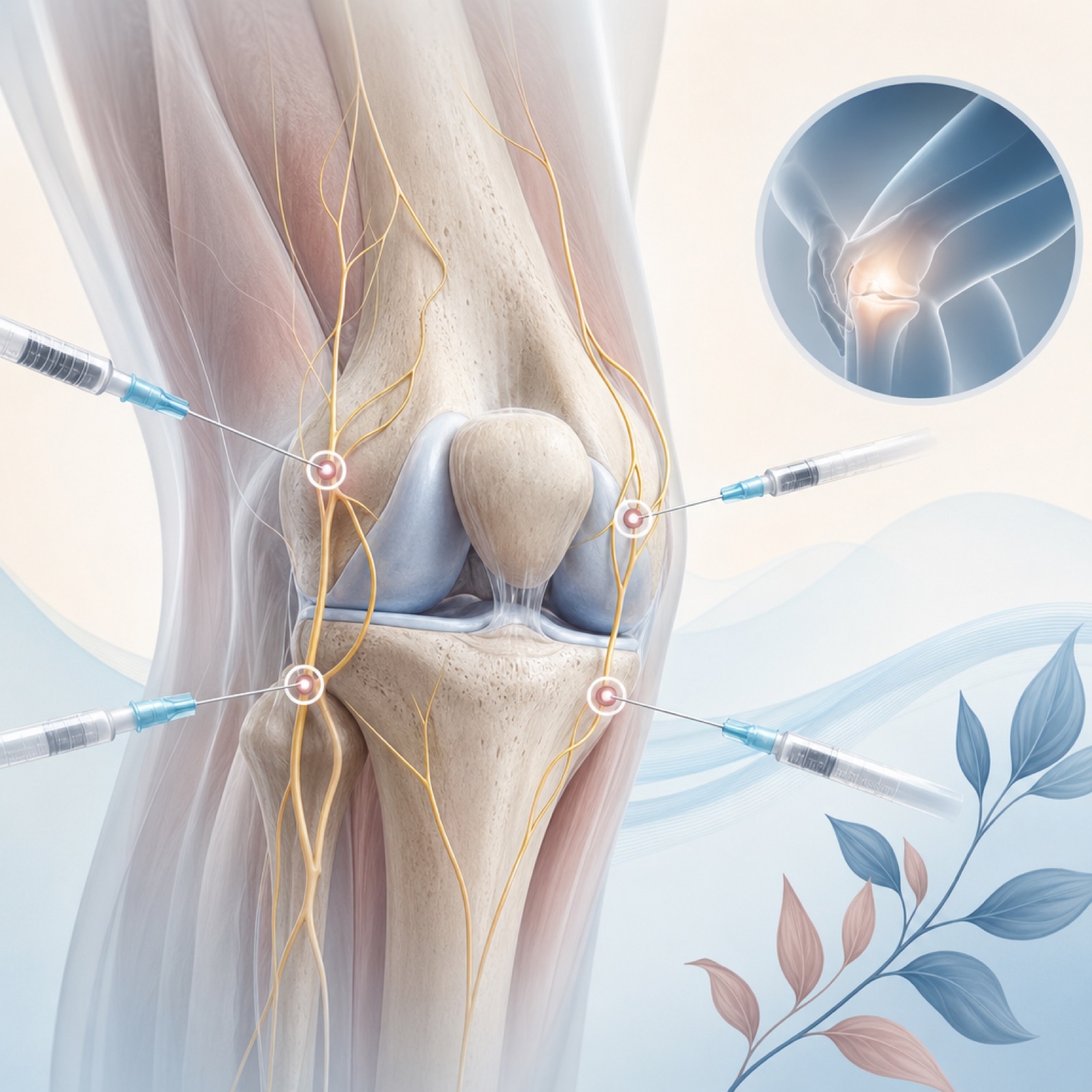
Knee nerve procedures
Knee nerve procedures may help selected patients when persistent knee pain is carried by identifiable sensory nerve branches.
Nerve procedures
Nerve procedures
Nerve blocks can help clarify or calm selected nerve-related pain patterns when the target matches the patient’s symptoms.
Nerve procedures
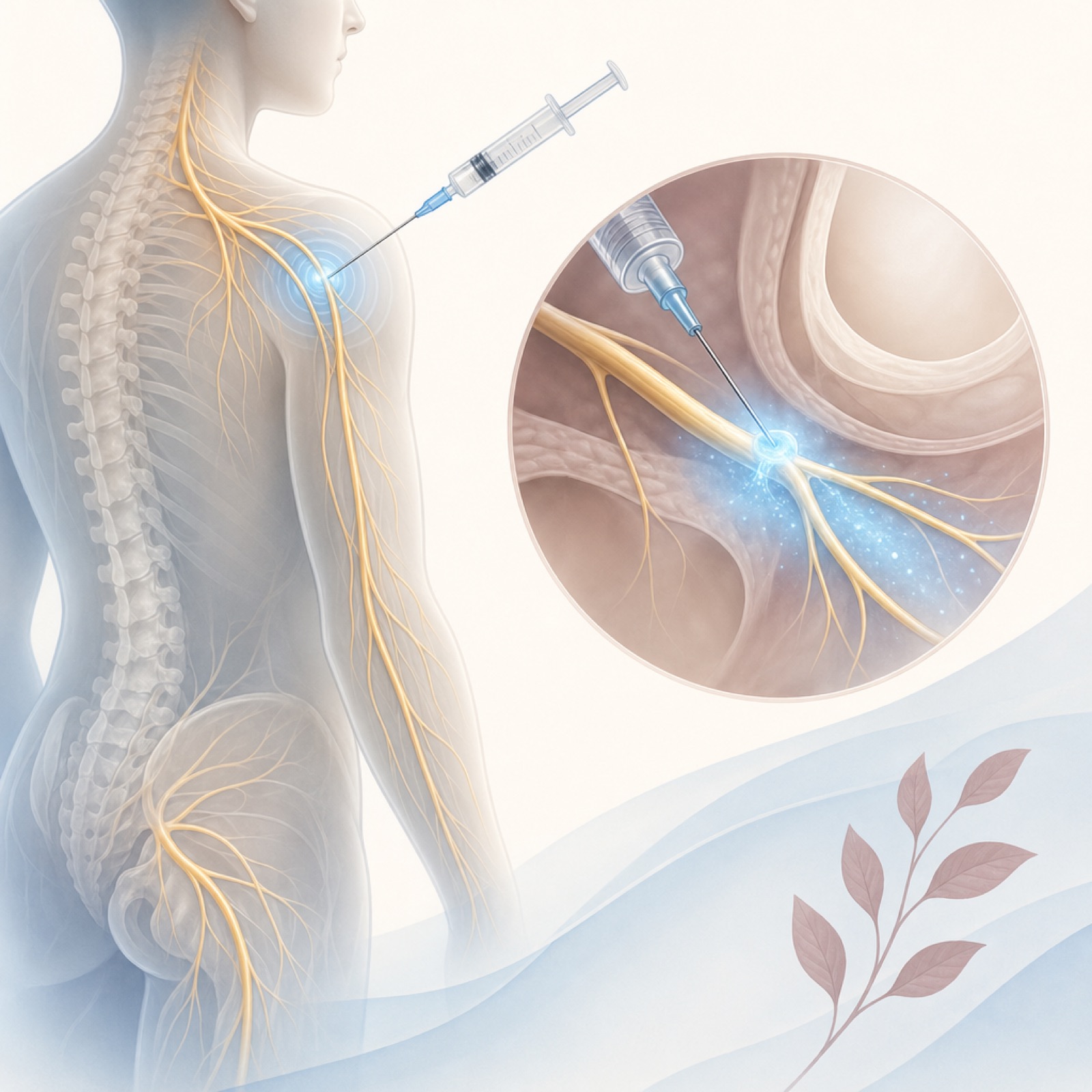
Nerve Blocks
Nerve blocks are targeted injections used to help diagnose or calm selected nerve-related pain patterns.
Learn how it works →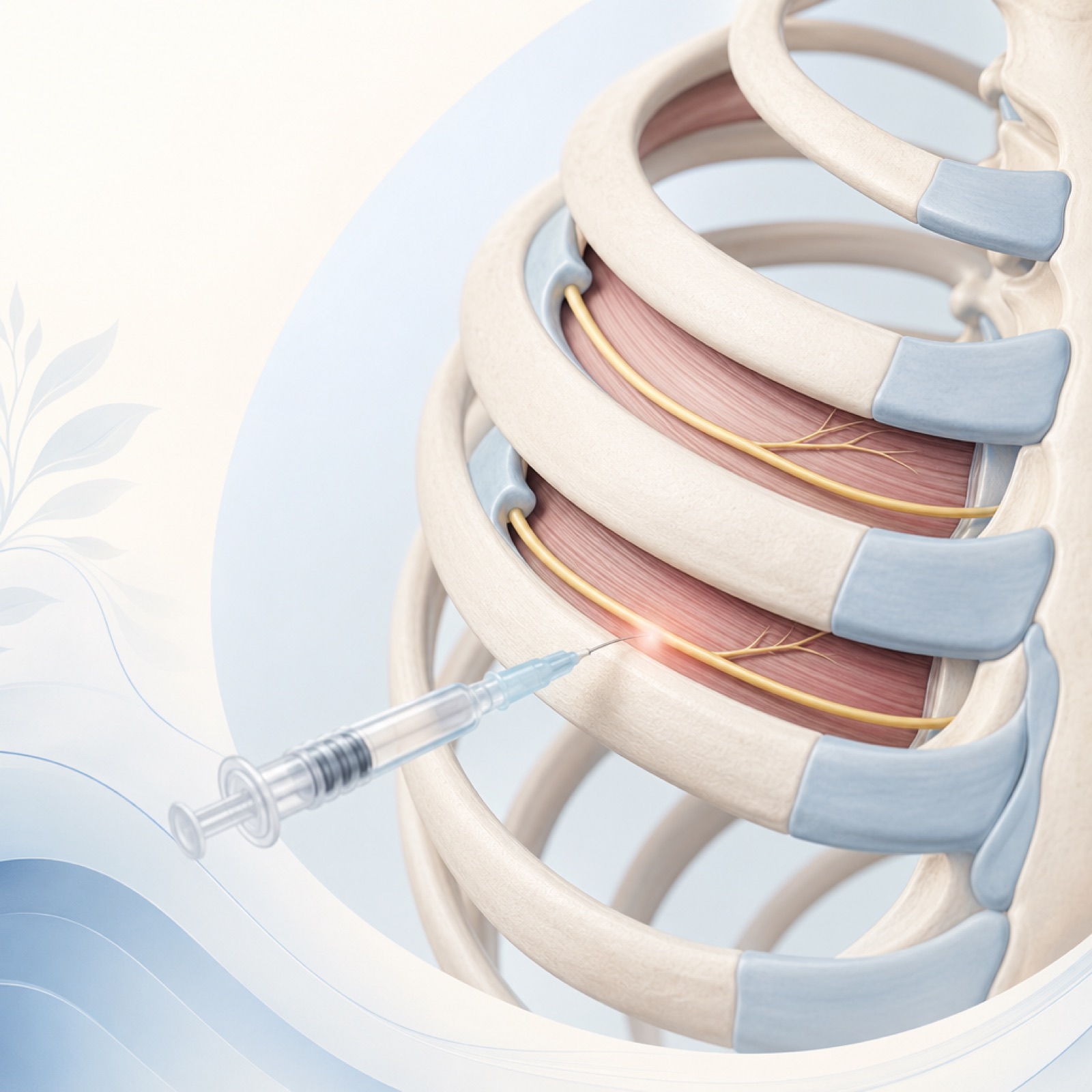
Nerve procedures
Intercostal Nerve Block
Intercostal nerve blocks target selected rib-region nerves when the pain pattern suggests chest-wall or rib nerve involvement.
Learn how it works →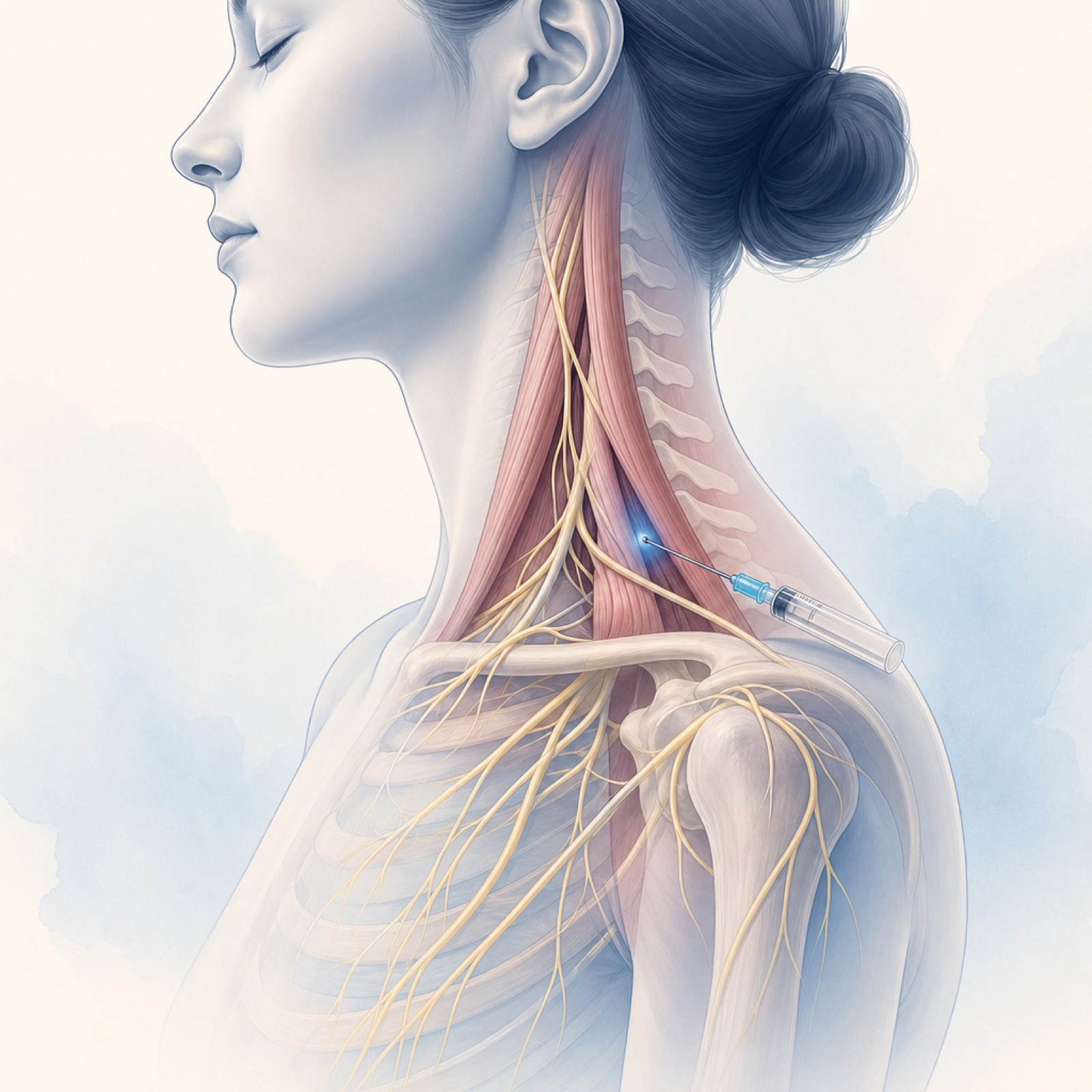
Nerve procedures
Interscalene Block
An interscalene block targets nerves near the neck and shoulder region in selected clinical circumstances.
Learn how it works →Pelvic and sympathetic blocks
Pelvic and sympathetic blocks
Sympathetic and pelvic-region blocks are specialized options for carefully selected regional pain patterns.
Pelvic and sympathetic blocks
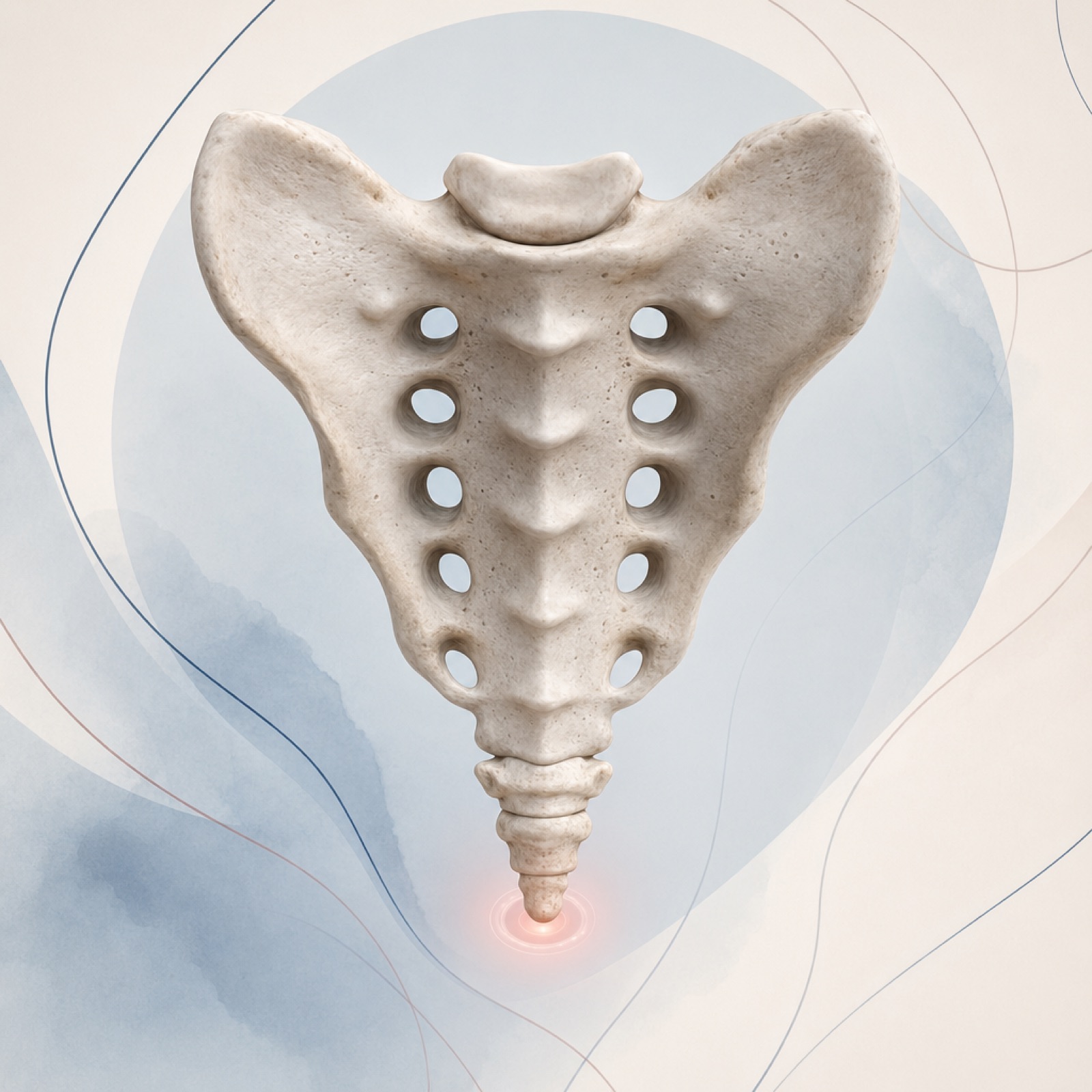
Ganglion Impar Block
A ganglion impar block may be discussed for selected coccyx, pelvic, or perineal pain patterns after careful evaluation.
Learn how it works →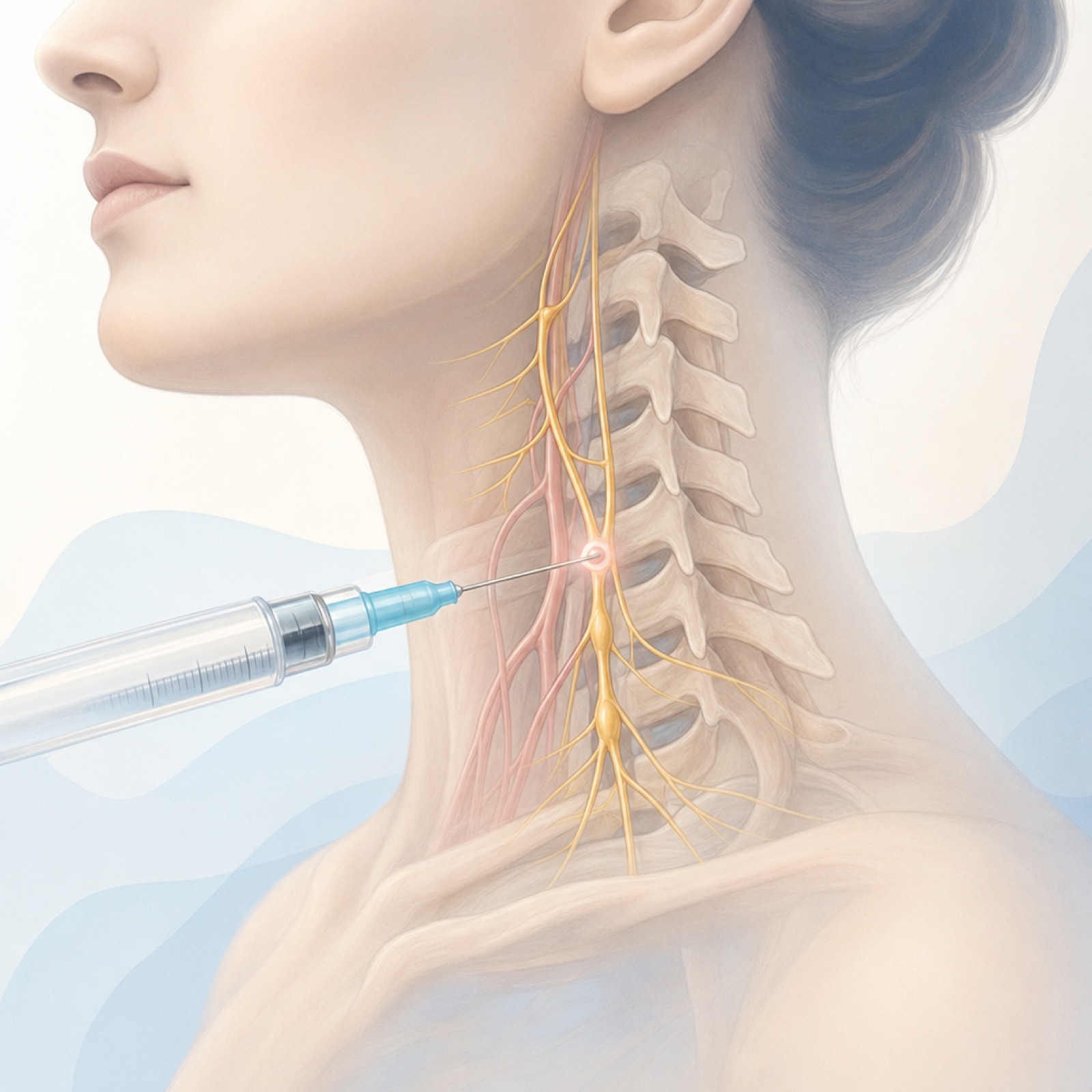
Pelvic and sympathetic blocks
Stellate Ganglion Block
Stellate ganglion block targets a sympathetic nerve structure in the neck for carefully selected pain conditions.
Learn how it works →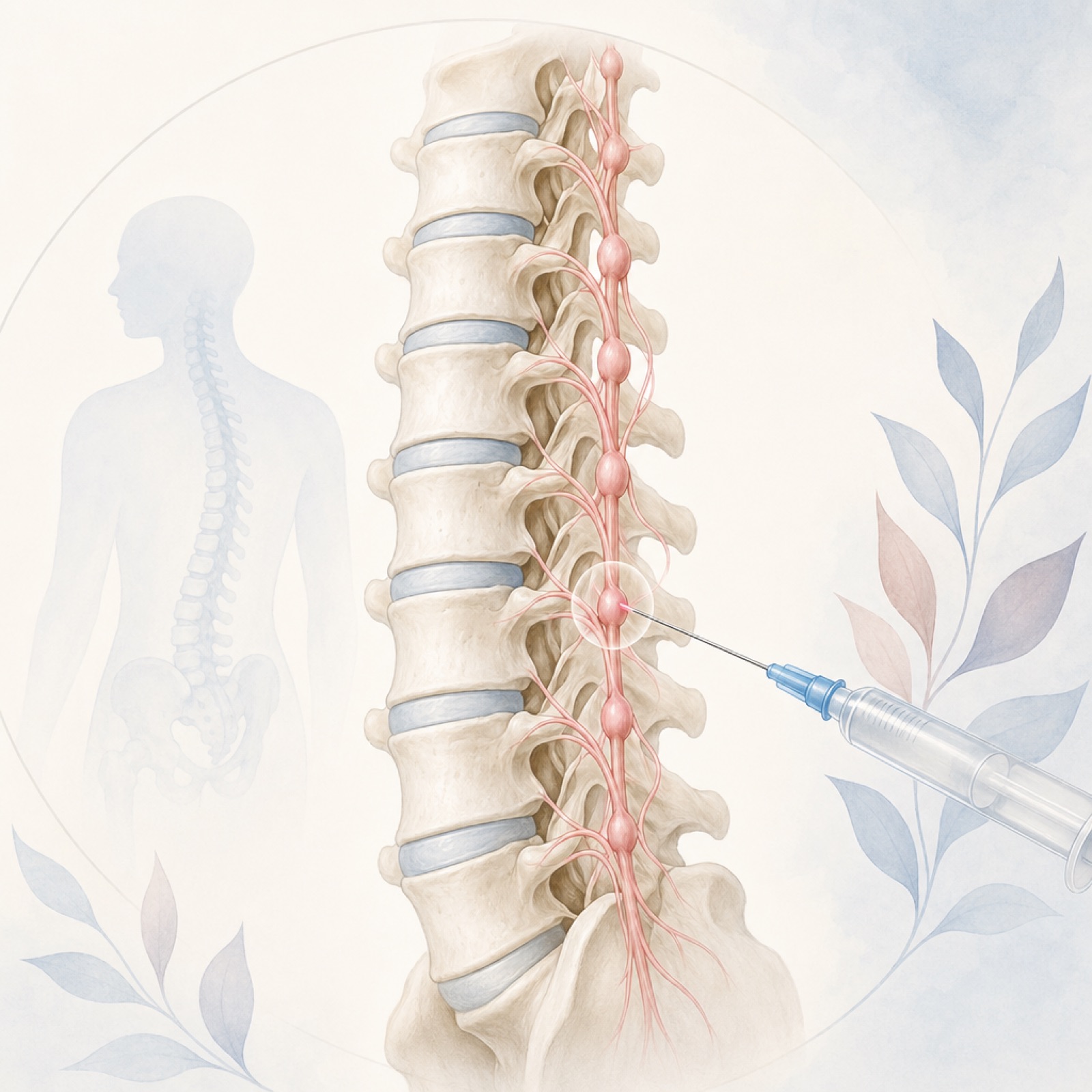
Pelvic and sympathetic blocks
Sympathetic Block
Sympathetic blocks may be used in selected nerve-pain conditions when autonomic features are part of the pain pattern.
Learn how it works →Neuromodulation
Neuromodulation
Neuromodulation uses a trial-first device-based approach for selected chronic nerve-pain patterns after conservative care and screening.
Neuromodulation
Peripheral Nerve Stimulation
Peripheral nerve stimulation uses a small device to modulate pain signaling near a targeted peripheral nerve.
Learn how it works →Neuromodulation
Spinal Cord Stimulator Implants
Spinal cord stimulation uses a trial-first approach to evaluate whether electrical modulation may help selected chronic nerve-pain patterns.
Learn how it works →Neuromodulation
Dorsal Root Ganglion Stimulation
DRG stimulation targets specific nerve-root ganglia and may be discussed for selected focal nerve-pain patterns.
Learn how it works →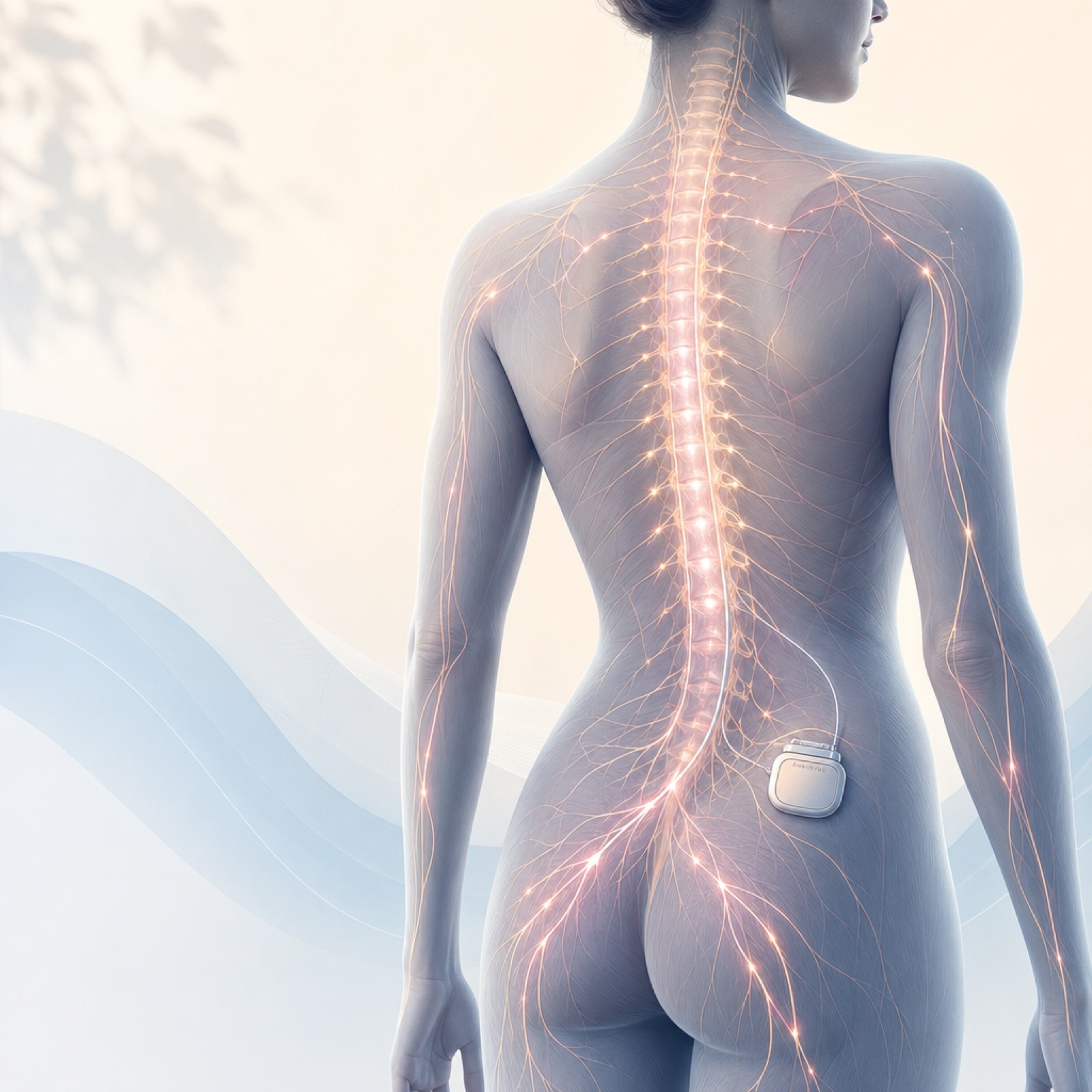
Neuromodulation
Neuromodulation
Neuromodulation is an umbrella term for device-based treatments that modulate pain signaling in carefully selected patients.
Learn how it works →Vertebral repair procedures
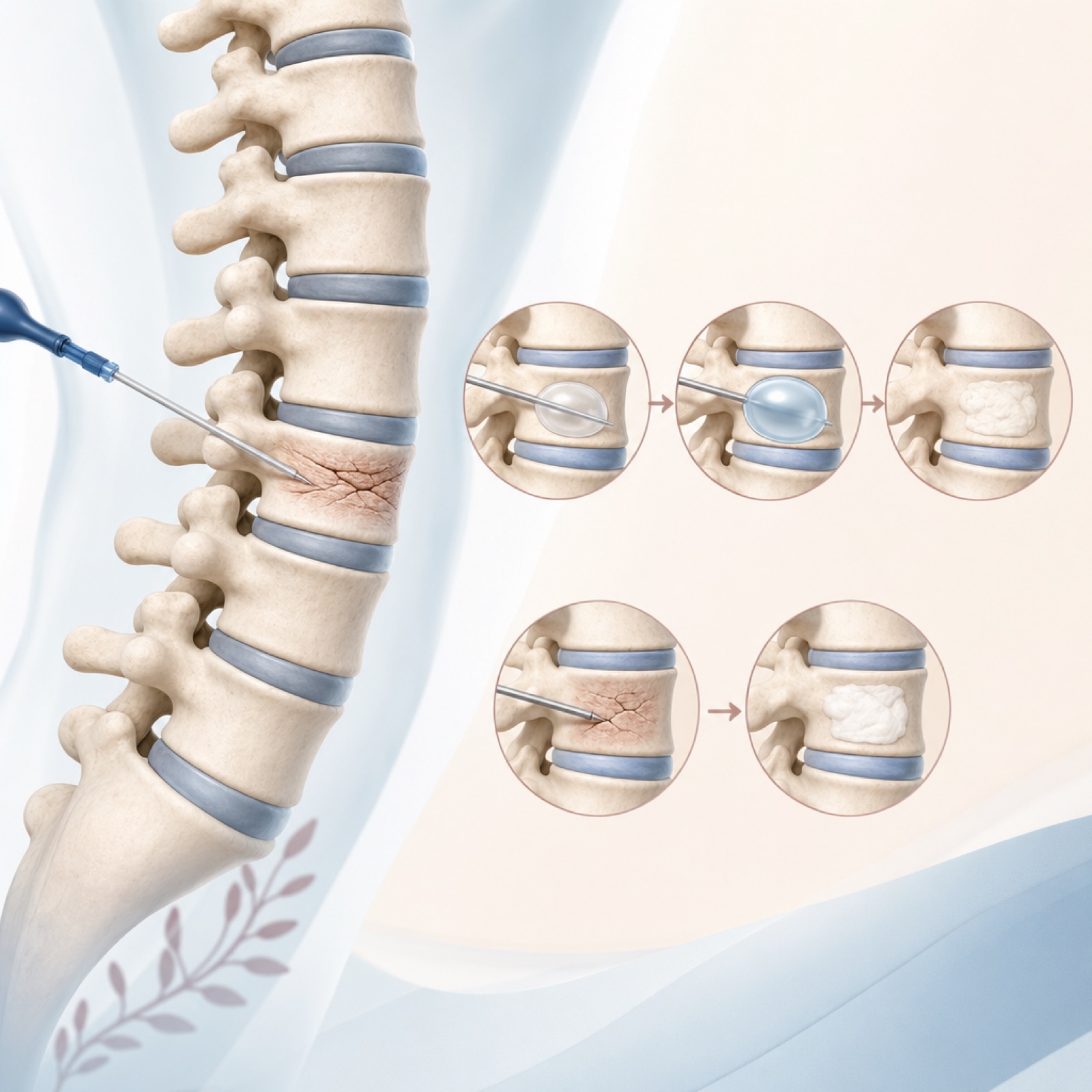
Vertebral repair procedures
Vertebral repair procedures are considered for selected painful compression fractures after imaging and medical evaluation.
Peripheral nerve care
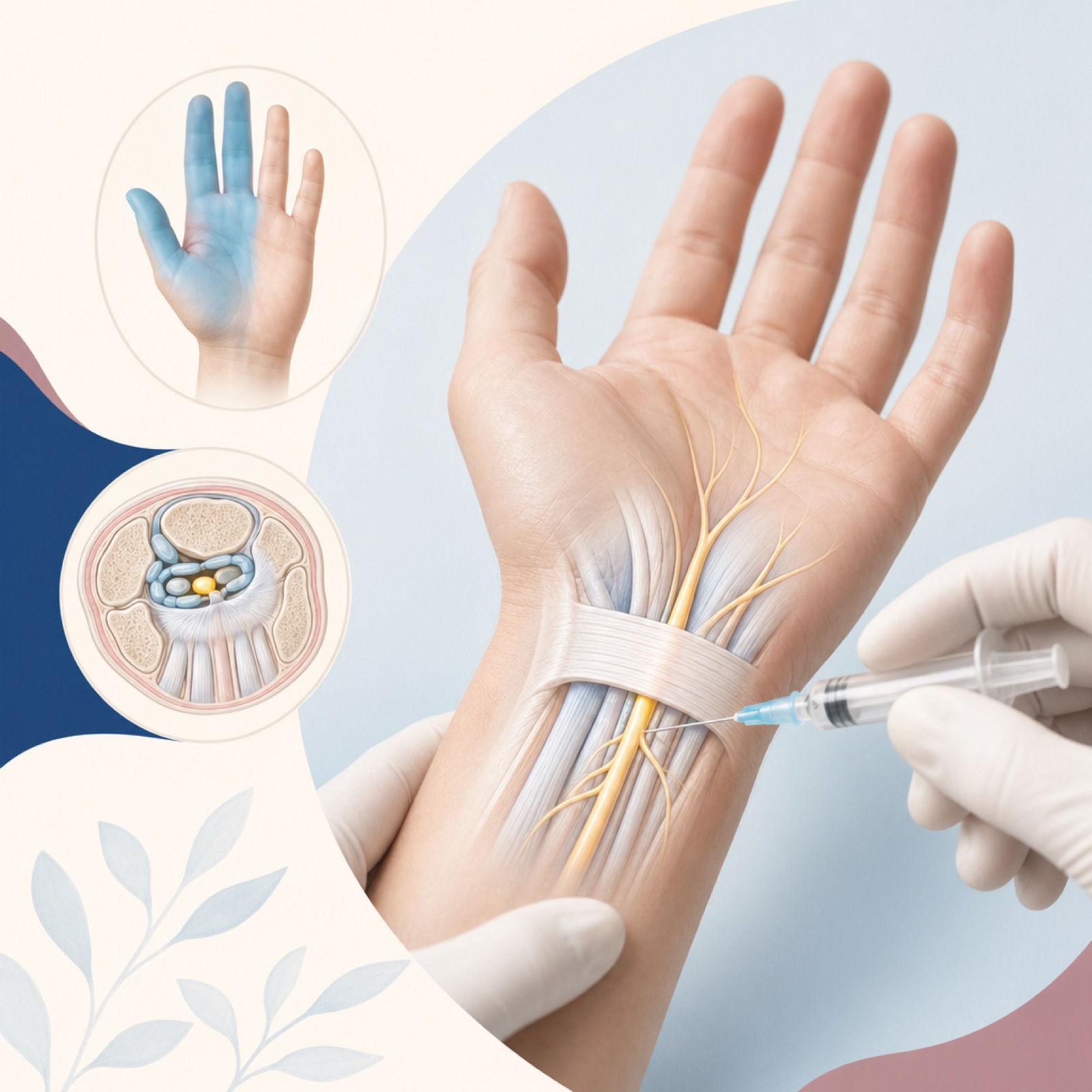
Peripheral nerve care
Peripheral nerve care depends on confirming the involved nerve, severity, function, and prior conservative care.
Care planning
Care planning
Care planning pages help patients understand how diagnosis, function, imaging, and treatment history shape the next step.
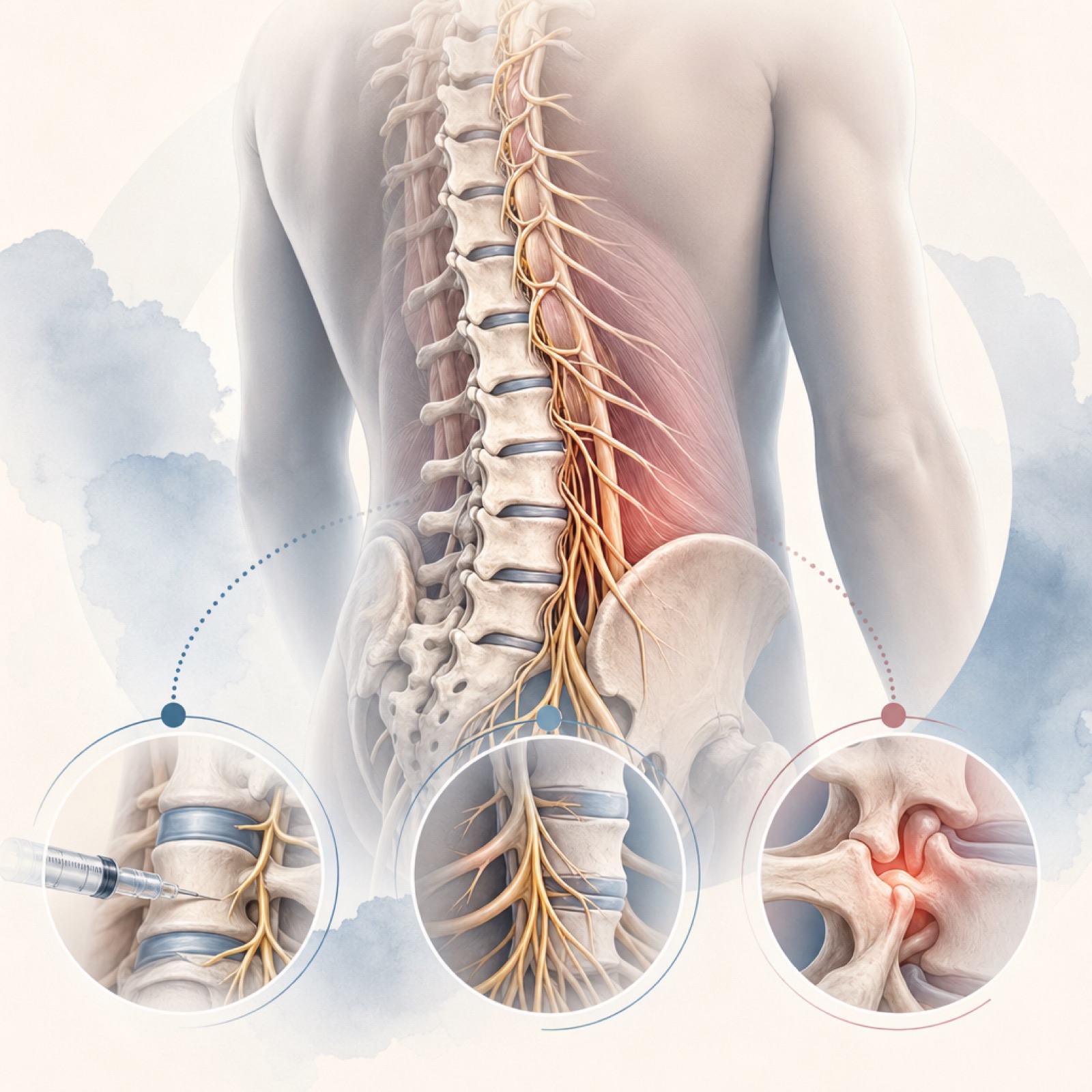
Care planning
Back Pain Treatments
Back pain treatment starts by narrowing the source before choosing therapy, injections, medications, or advanced options.
Learn how it works →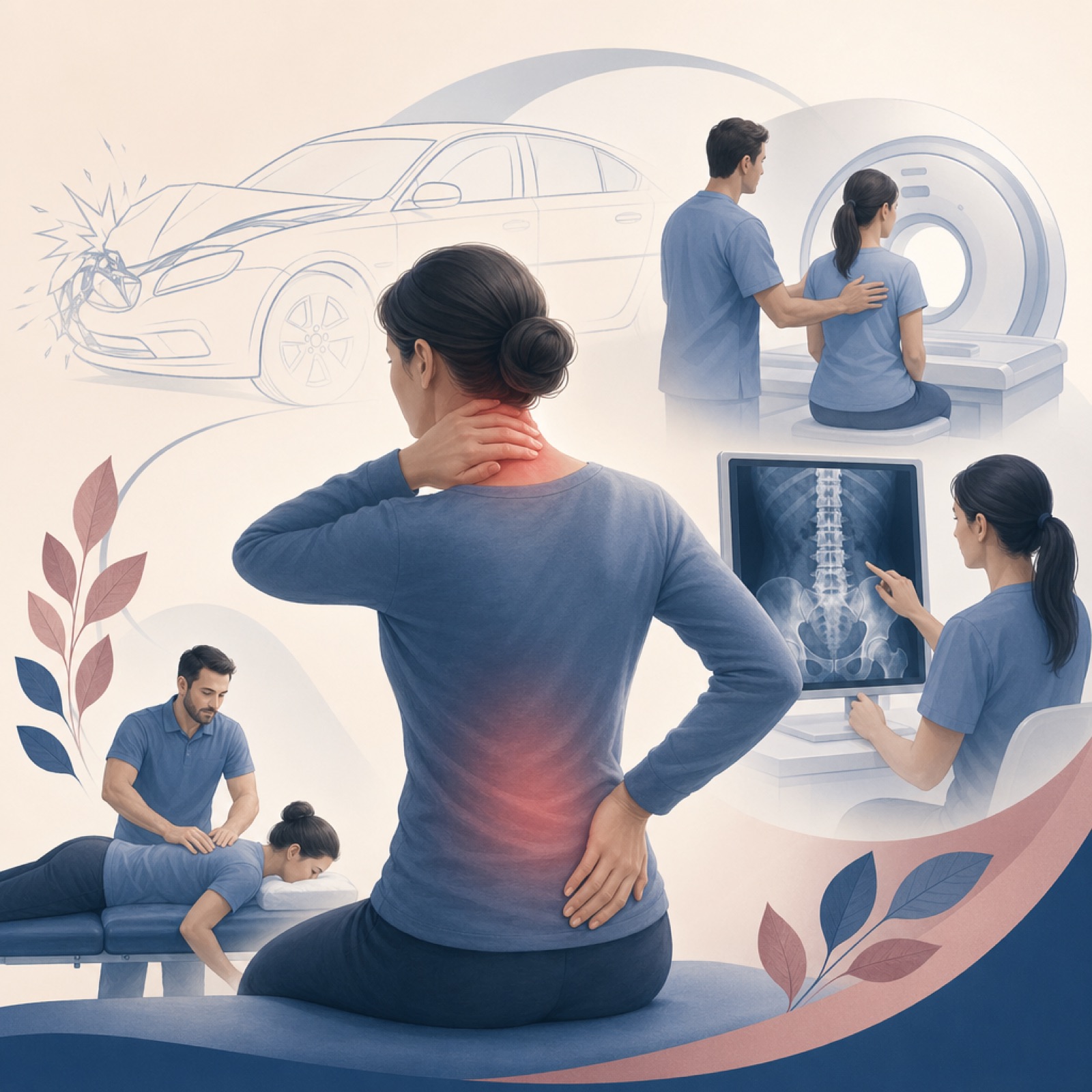
Care planning
Injuries From Car Accidents
Pain after a motor vehicle accident deserves careful documentation, source-focused evaluation, and a plan based on the affected area.
Learn how it works →Supportive care
Supportive care
Supportive care can reduce friction around recovery and function, but it should stay connected to a clear diagnosis and safety plan.

Supportive care
Medication Management
Medication management is used cautiously as one part of a broader diagnosis-first pain plan when appropriate.
Learn how it works →
Supportive care
Fibromyalgia Treatment Protocol
Fibromyalgia care often involves education, movement, sleep, medications when appropriate, and coordinated long-term planning.
Learn how it works →
Supportive care
Physical Therapy Exercise
Physical therapy and guided exercise help many patients build strength, mobility, and confidence around movement.
Learn how it works →
Supportive care
Alternative & Complementary Therapies
Complementary therapies may support pain care when they are safe, coordinated, and not used as a substitute for needed evaluation.
Learn how it works →Take the next step
Exploring treatments? Start with a visit that makes sense of the choices.
Treatment information should make the next conversation clearer, not more overwhelming.