
Chronic Pain
Chronic pain still deserves a clear working diagnosis.
Chronic pain can become complicated after months or years of symptoms, prior treatment, medication changes, and functional limits. A careful visit starts by organizing the story.
A calmer way to understand chronic pain.
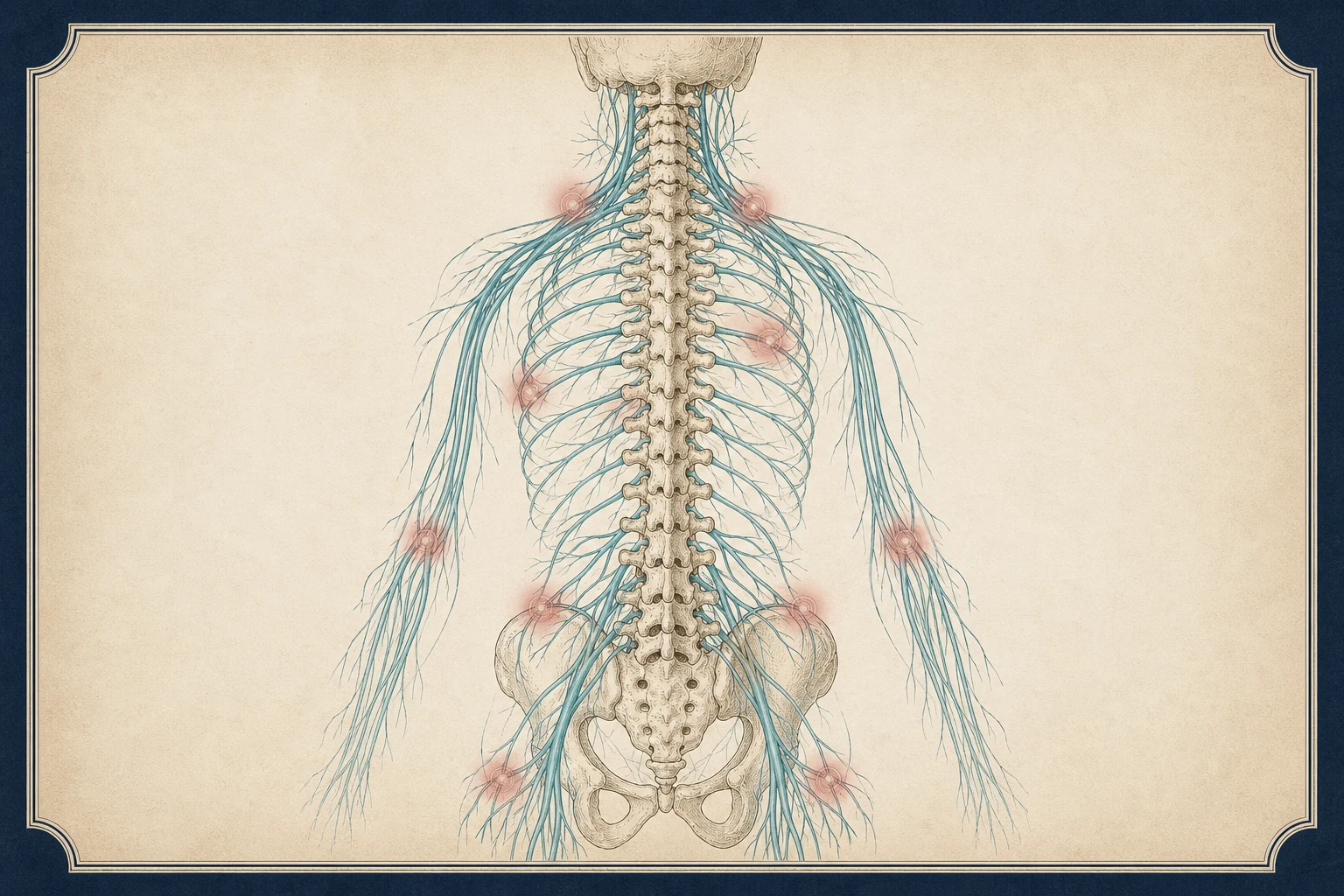
This illustration is a simplified educational view. It is meant to support the discussion on this page, not replace an individualized exam, imaging review, or medical diagnosis.
Chronic pain evaluation
Chronic pain may involve back, neck, joint, nerve, post-surgical, or widespread pain patterns. The goal is not to reduce the story to one word, but to identify treatable contributors and realistic next steps.
Gulf Coast Pain & Spine serves patients from Houston, Webster, Clear Lake, League City, Friendswood, Pearland, Pasadena, and surrounding Greater Houston communities.
How the diagnosis-first visit works
Your physician may review prior imaging, procedures, surgery history, medications, therapy, functional goals, sleep disruption, work limitations, and safety considerations before recommending a plan.
The goal is to connect symptoms, exam findings, imaging, prior response to care, insurance or referral requirements, and practical goals before recommending a next step.
What treatment conversations may include
Care conversations may include coordinated conservative care, medication review when appropriate, image-guided injections, nerve blocks, radiofrequency ablation, neuromodulation discussions, or referral coordination depending on the pain pattern.
Not every patient is a candidate for every procedure. Your physician will recommend care based on diagnosis, medical history, imaging, exam, and safety considerations.
Frequently asked questions
Does chronic pain mean nothing else can be done?
No. It means the evaluation should be careful, realistic, and focused on identifying treatable pain generators and functional goals.
Is medication ever part of care?
Medication may be reviewed when appropriate, but care is diagnosis-first and may include interventional or coordinated non-surgical options when they fit the patient’s condition.
Is this medical advice?
No. This page is educational and is not a substitute for individualized medical advice, diagnosis, or treatment. For emergencies, call 911.
Request a diagnosis-first pain evaluation.
Call the practice or request an appointment online. The team can help match your symptoms to the right visit, location, and next step.