|
HERNIATED
SPINAL DISC
Herniated
discs can occur in any part of the spine. They are most common in the
lower back (95% occur in the lower back 1), but can also occur in the
neck (cervical spine) and mid-back (thoracic spine).
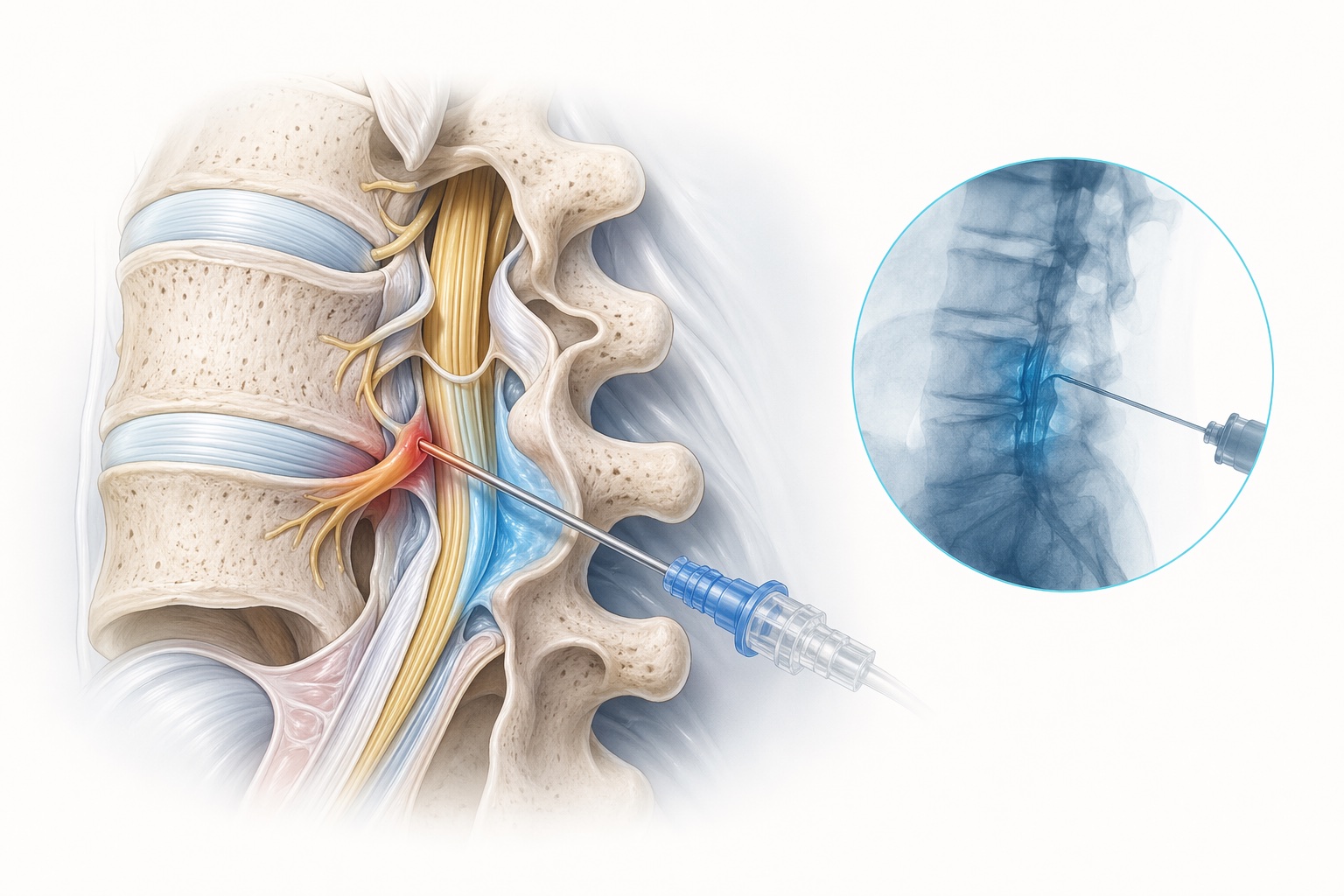
Often, a herniated disc does not cause any pain. Pain occurs when there
is pressure from the herniated disc on the nerve roots or spinal cord.
This pain or numbness may occur in the area of the body to which the
nerve goes. For example, a herniated disc that presses on the nerve
roots of the sciatic nerve (a large nerve that extends from the lower
back down the back of the leg) may cause pain and numbness in the leg.
This condition is called sciatica. Sciatica is the most common symptom
of a herniated disc in the lower back. Symptoms of sciatica include
shooting pain down the back of the leg, or weakness, tingling, or
numbness in the leg.
Most herniated discs heal on their own over time (1 to 6 months) and
surgery is usually not needed. Herniated discs are treated first with
conservative (nonsurgical) treatment. Conservative treatment may include
a short period of rest, medication for pain relief, and an exercise
program prescribed by a doctor or physical therapist.
Who is affected
For people with low
back pain, only 1 to 2 people out of 100 (1% to 2%) have low back pain
that is caused by a herniated disc. Many people who have herniated discs
do not have symptoms (no leg pain or back pain). Herniated discs can
occur in people of all ages. They are most common in people between 35
and 45 years old . Herniated discs are common in people who perform
heavy manual labor and those who drive motor vehicles for long periods
of time.
Steps for comfort and pain relief
You can do the following
steps to make yourself more comfortable and to relieve pain:
Limit your activities
and rest your back for 2 to 4 days if your pain is severe. Try taking
short walks and doing light activities that do not cause pain. Then
begin your regular activities gradually. Even for people with severe
pain, prolonged bed rest (more than 4 days) may cause the muscles in
your back (and whole body) to become weaker and harm your overall
health. Therefore, prolonged bed rest is not recommended. In the acute
stage, use ice or heat to relieve pain. Apply ice 3 times a day. Do not
use ice for longer than 15 to 20 minutes at a time. Heat relieves pain
for some people, but should not be used too soon after an injury. Ask
your doctor about using ice and heat to reduce your pain. Pain relievers
that are available without a prescription can help reduce pain. Examples
include aspirin (Bayer), acetaminophen (Tylenol), ibuprofen (Motrin),
and naproxen sodium (Aleve). Remember to follow the directions on the
bottle, over the counter medications can have bad side effects, such as
stomach ulcers, liver and kidney disease. Be sure to tell your doctor
that you are taking over the counter medications because they can
interact with the other medications and have devastating effects.
Steps to strengthen your back
Aerobic and isometric
exercise will strengthen the muscles in your stomach and back and help
prevent further injury. Other steps that will keep your back strong and
healthy include getting regular exercise to maintain good health, using
good posture, losing weight if you are overweight, and quitting smoking
if you smoke.
Aerobic exercise
(exercise that trains the heart and other muscles to use oxygen more
efficiently) is one of the most effective means of speeding your
recovery and preventing reinjures to your back.
Walking, swimming, and
bicycling are all good choices. Non-weight-bearing exercises (such as
swimming and cycling) tend to be better if you still have pain. Aerobic
exercises can usually be started within 1 or 2 weeks after symptoms
start. Increase your aerobic exercise regimen gradually. Start with 5 to
10 minutes a day and gradually work up to 20 to 30 minutes of continuous
activity per day. Isometric exercises strengthen the muscles of the
stomach and back and may include some weight training exercises.
Medications
Drug treatment is often
used to treat pain caused by a herniated disc. Drug treatment does not
cure a herniated disc, but reduces inflammation and pain and allows a
person to begin an exercise program that will strengthen the stomach and
back muscles.
Drug treatment includes the following:
-
Pain relievers such as
acetaminophen, and nonsteroidal
-
anti-inflammatory drugs (NSAIDs),
including aspirin
-
Narcotic pain relievers
-
Muscle relaxants
-
Tricyclic antidepressants
-
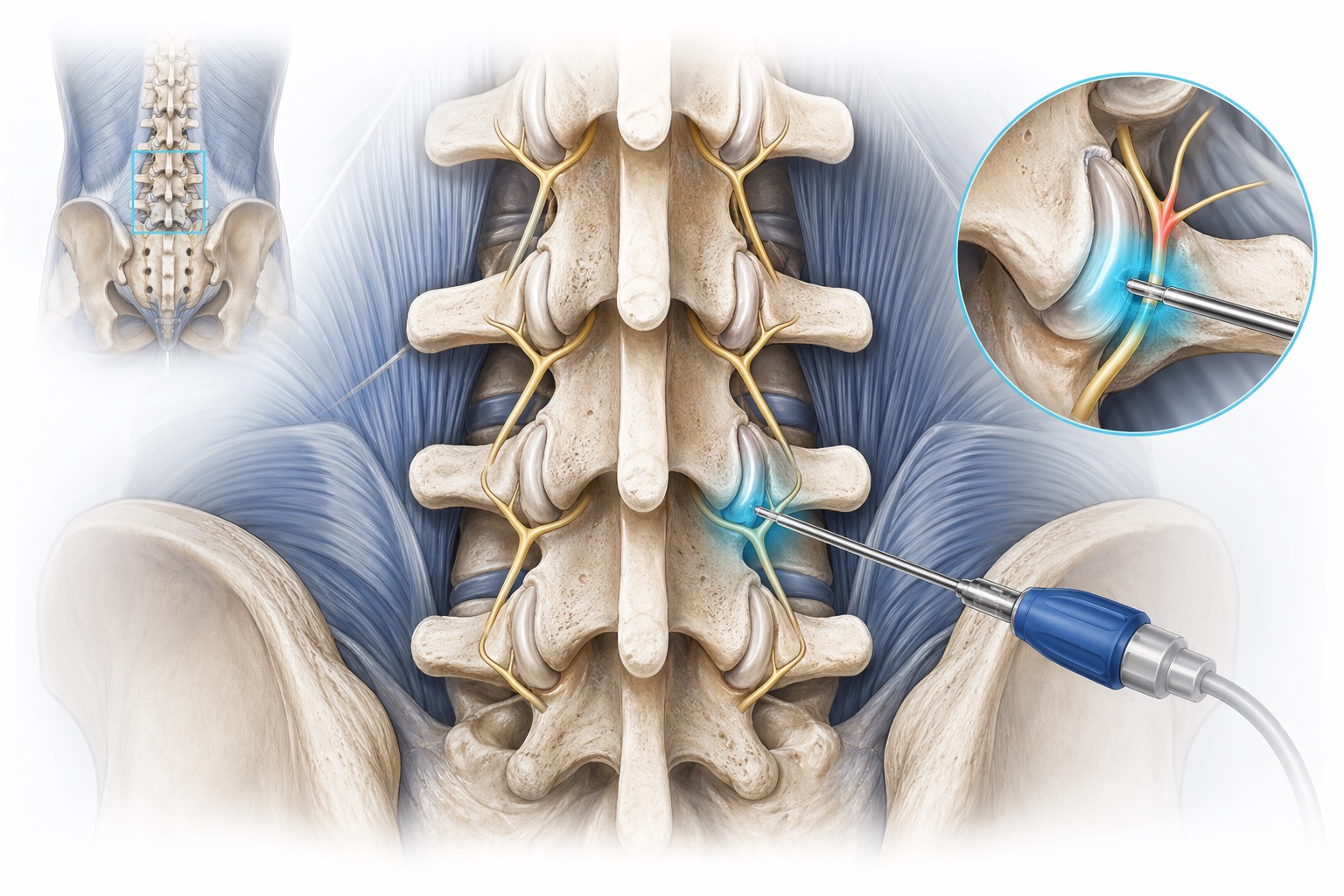
Epidural
-
Corticosteroid injections
What
to Think About
The use of pain
relievers or corticosteroid injections alone will not cure a herniated
disc. It is important to take care of your back and do specific
exercises to strengthen it, in addition to drug treatment, to control
your symptoms. Some of the drug treatments used, such as narcotic pain
relievers and corticosteroid injections, may have serious side effects.
Talk to Lynne Carr Columbus, D.O. for her recommendations for you.
Other Treatment Choices The goals of treatment are to: Exercise,
including aerobic and isometric exercise, is an important and effective
part of treatment for a herniated disc. There are a variety of exercises
you can do to help relieve pain, strengthen the muscles that support
your back, and prevent reinjury. Lynne Carr Columbus, D.O. or your physical therapist
can recommend exercises for your specific condition. Also, there are
rehabilitation programs that are designed to teach people how to care
for their backs and prevent reinjury. There are other treatments that
people use for leg and back pain caused by a herniated disc. Although
scientific studies have not been done to test the effectiveness or
safety of these treatments, they may help some people. Some examples
include:
-
Massage (may help relieve
pain)
-
Manipulation (may not be
recommended in some cases)
-
Corsets or braces
-
Transcutaneous electrical
nerve stimulation (TENS)
Surgery
Most people with a
herniated disc do not need surgery, because their symptoms tend to
improve over time. See making the decision about surgery for a herniated
disc. Surgery may be considered if a herniated disc is causing nerve
root compression and there is:
-
Progressive nerve damage in
the leg such as weakness, loss of coordination, or loss of feeling
-
Sciatica that becomes severe
and disabling
-
Large fragments of disc
material lodged in the spinal canal that are clearly causing
nerve-related problems
-
Impaired bladder, bowel, and
sexual function (a rare condition called cauda equina syndrome)
Unless
emergent surgery is indicated surgery is considered as a last resort,
after other treatments fail. It is appropriate for certain people with
certain conditions. Further considerations for surgery include your age,
your overall health, the severity of your symptoms, and the impact of
the symptoms on your life, such as the inability to work or the onset of
emotional problems. For example, surgery may be considered if a person's
job requires a quick recovery, and there is no time to wait for the
herniated disc to heal itself. Surgery may also be considered for older
adults if the herniated disc is less likely to improve without surgery
because of other spinal diseases.
Surgery Choices
Surgical treatment for
a herniated disc may include the following. Discectomy is used for
bulging discs or ruptured discs, or to remove disc fragments from the
spinal canal. A laminotomy or laminectomy may be done at the same time
as a discectomy, or separately. A laminotomy or laminectomy alone may
also relieve pressure on nerve roots in the spine. Percutaneous
discectomy involves using a special tool that is inserted through a
small cut in the back. This tool is used to cut out or drain a herniated
disc, thereby reducing the size of the disc. This procedure is used for
bulging discs and discs that have ruptured into the spinal canal. This
procedure is considered less effective than open discectomy.
Discectomy may be the
most effective type of surgery for people who have tried conservative (nonsurgical)
treatment without success and who have severe, disabling pain.
What to Think About
Studies show that
people who have surgery to treat herniated discs usually have faster
relief of symptoms compared with people who don't have surgery. However,
studies show that these early benefits may decrease over time. The
majority of patients do well with conservative therapy consisting of
anti-inflammatories, physical therapy and epidural steroid injections
After several years, most people have less pain and improved muscle
strength, whether or not they had surgery. Surgery may be considered in
cases where a quick recovery is necessary.
Other things to consider about surgery
include:
-
How
severe your symptoms are and whether your leg and/or back pain are
preventing you from doing your normal daily activities or your job.
-
Whether
there are medications that you are willing or able to take that can
relieve your leg and/or back pain.
-
Whether
you would follow a rehabilitation program that would be necessary
after surgery.
-
Whether
you are able or willing to have surgery.
If
surgery is considered, it is the most successful when done within 2 to 6
months after symptoms begin. People who have had symptoms (pain,
weakness, or numbness caused by a herniated disc) for a long time may
not benefit as much from surgery. After surgery, a rehabilitation
program can speed recovery. If a person is not able or willing to
complete a rehabilitation program, he or she may not be a good candidate
for surgery.
The goals of treatment are to:
-
Relieve pain in the leg and
lower back
-
Relieve pressure on spinal
nerve roots
-
Strengthen the muscles that
support the spine to prevent reinjures
-
Teach people with long-term
(chronic) pain how to cope with symptoms on a daily basis
|